
Home > Destinations > South America > Argentina > Best Places To Visit In Argentina
Best Places To Visit In Argentina & How To Choose Your Trip
Some of my links may be affiliate links. If you make a purchase, I might earn a small commission at no cost to you. See our Privacy Policy for details. And this post was crafted with care and occasional typos by Colleen (and not AI)
Argentina had been on our bucket list for years, but when it came to planning, we felt a little overwhelmed. It’s a huge country and there’s no way you can see it all in one go. So how did we decide?
We knew we wanted to hike in El Chaltén and head to Antarctica from Ushuaia, but beyond that, choosing the best places to visit in Argentina was a challenge. What do you include? What do you skip? And how do you move around without spending your entire trip sitting on a bus?
We spent nearly four weeks travelling from the Brazilian border at Iguazu Falls, to the end of the world in Ushuaia. Along the way, we tangoed in Buenos Aires, drank Malbecs in Mendoza, crossed the Andes twice, and even went horseback riding with gauchos.
We learned the hard way that while you can’t see everything, you can see the best of it, if you plan well. Keep reading and we’ll share our choice of places we think are worth prioritising, how they fit together, and how you can travel between them.

Destinations That Made Our Must-Visit List
Short of time and looking for a quick answer? These are our top 12 places to visit. You can click the links below to read more, or read on for itinerary ideas as well as full details on each fabulous destination.
| Destination | Visit For | Days |
| 1. Aconcagua | High Andes Mountains | 1-2 |
| 2. Buenos Aires | Culture, Tango & Food | 3+ |
| 3. Bariloche & The Lakes | Lakes & Villages | 3-4 |
| 4. Córdoba | History & Jesuit Sites | 1-2 |
| 5. El Calafate & Los Glaciares National Park | Glaciers & Icefields | 2-5 |
| 6. El Chaltén | World-class Hiking | 3-5 |
| 7. Esteros del Iberá | Wildlife & Wetlands | 2-4 |
| 8. Iguazú Falls | Iconic Waterfalls | 1-3 |
| 9. Mendoza | Wine & Gaucho Life | 2-5 |
| 10. Península Valdés & Puerto Madryn | Marine Life & Whales | 2-4 |
| 11. Salta & The Northwest | Colour & Culture | 2-4+ |
| 12. Ushuaia | The End of the World | 2-4 |

Our Shortlist Of Argentina’s Best Destinations
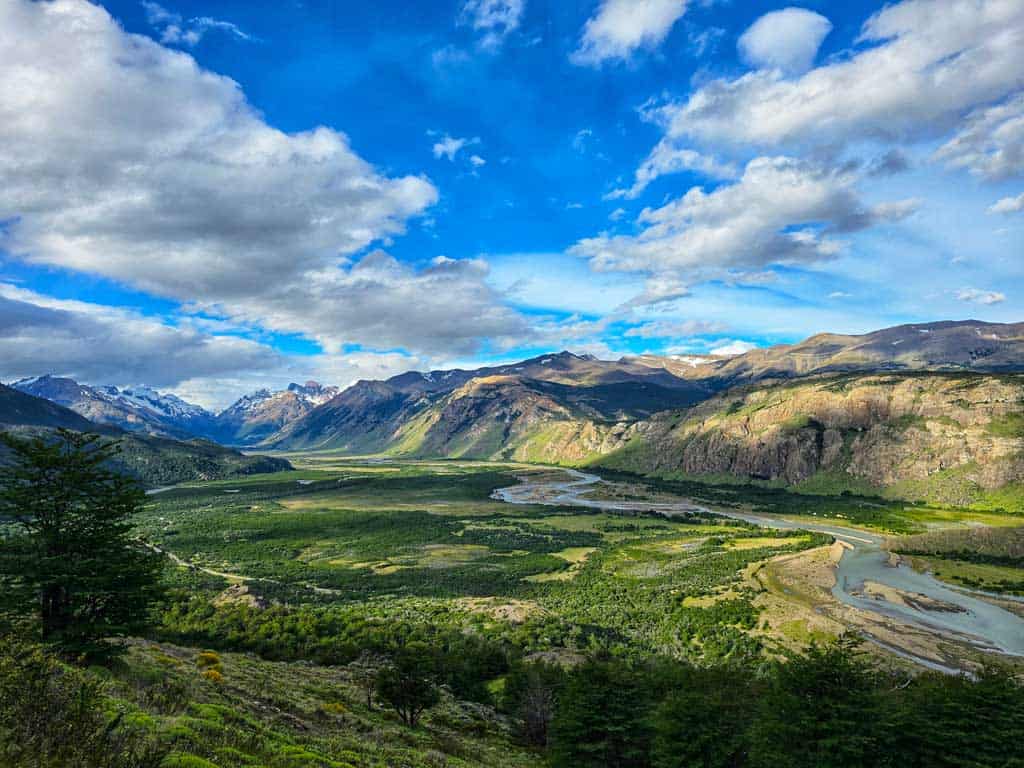
Argentina surprised us but we weren’t alone. When we shared our travel photos, the most common reaction was that folks never expected it to be like that; so colourful, so green, so vast, and so beautiful.
Many travellers think Argentina is all about Patagonia, the Steppes and Llamas; often visitors may leave without realising that Argentina is far more diverse than they imagined.
Below is our guide to some of Argentina’s best destinations, designed to help you decide where you want to visit next!
1. Aconcagua
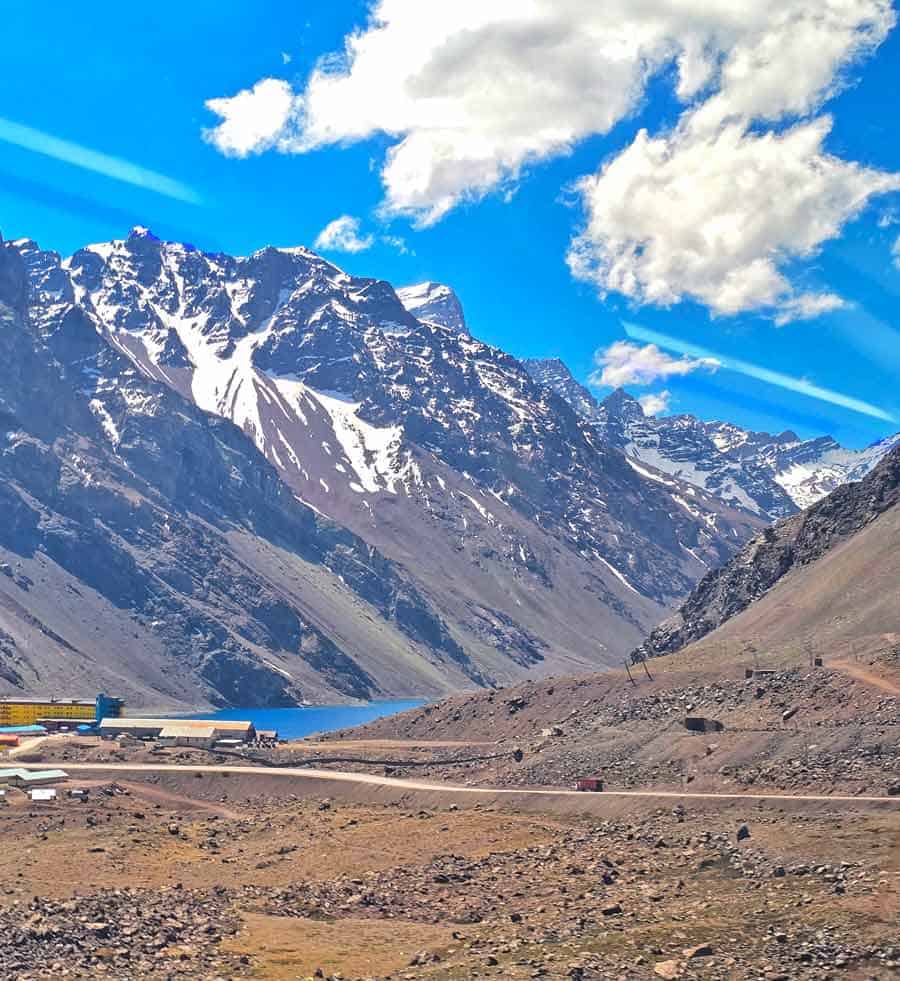
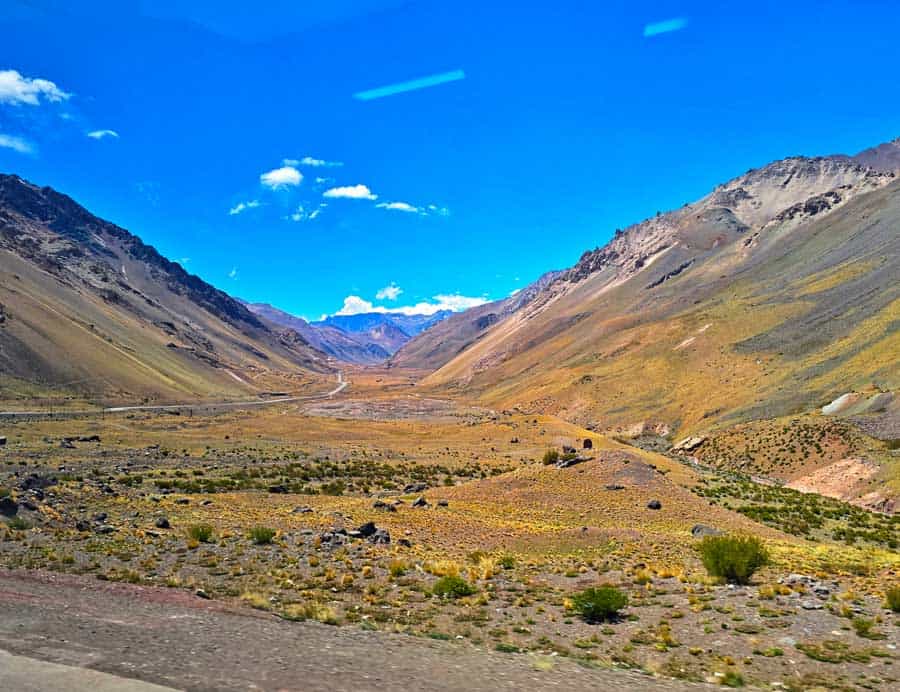
Rising to 6,961 metres, Aconcagua dominates the Andes skyline and holds the title of the highest mountain in Argentina, South America and the entire Western Hemisphere.
We have no interest in climbing, but the landscape around the mountain is glorious. Many visitors hire a car and take a scenic drive from Mendoza, stopping at viewpoints or heading into the provincial park for walks and hikes.
We didn’t have time to stop and explore, but we passed through the area on the bus travelling from Mendoza to Santiago. Even from the road, the scale of the landscape is incredible, and if you enjoy big, dramatic scenery, this is a place that leaves an impression.
2. Buenos Aires
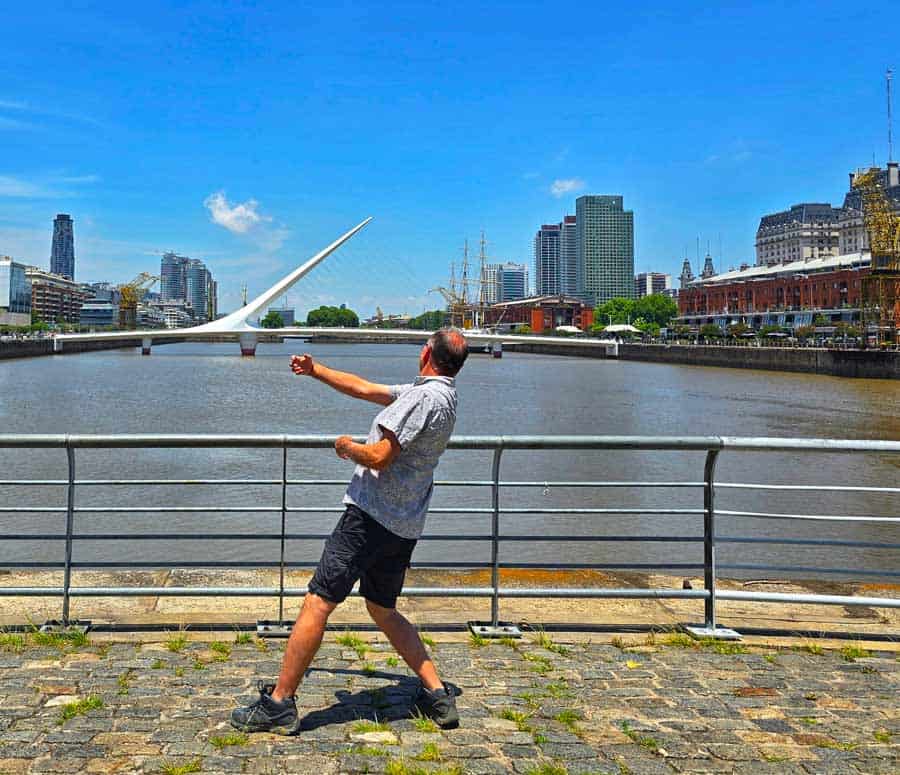
It’s no secret that we loved Buenos Aires. It’s often thought of as a gateway to Argentina, and many visitors treat it as a transit stop; but gosh, it’s so much more than that.
Buenos Aires is a large, confident city shaped by European immigration, political history, music, tango, fabulous food, and yes, the wine’s pretty good too. Neighbourhoods have their own personality, from elegant Recoleta, to the parks of Palermo and the older, more traditional streets of San Telmo.
We gave ourselves five full days and it still didn’t feel like enough, and we squeezed a lot in. We’d recommend allowing at least three days, and if you have more time, every extra day really is a bonus.
Top Tip: We were surprised by how central Buenos Aires’ horse and polo culture is. One morning we took a taxi to the Hipódromo de Palermo and watched the horses training, and couldn’t believe how close it was to the heart of the city. The racecourse sits opposite the polo grounds and feels like an extension of Palermo’s beautiful city parks.

3. Bariloche, The Lake District & San Martín de los Andes
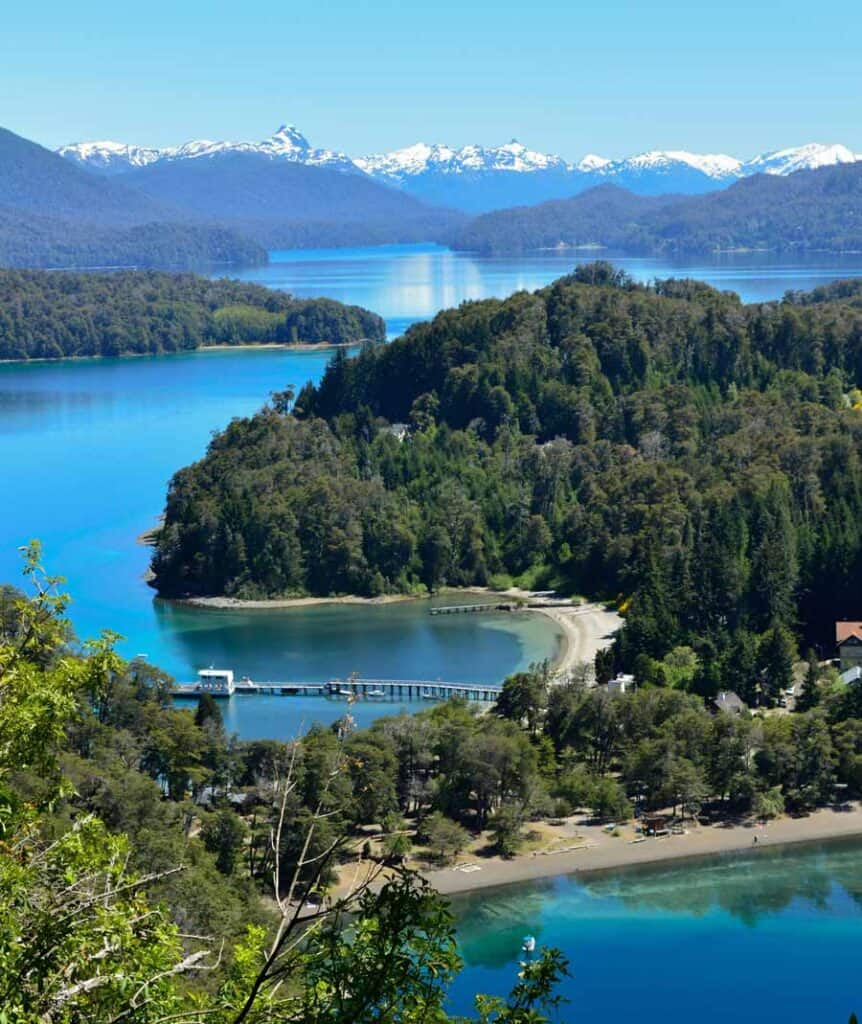
Hands up, we never made it to Argentina’s Lake District, and it’s one of our biggest regrets. Bariloche is the main gateway to the Lakes, while San Martín de los Andes offers a quieter choice at the northern end. The two are linked by the beautiful Seven Lakes Route; you can take a tour along the route or better still hire a car and take your time.
Both towns sit in the heart of Argentina’s Lake District, on the edge of Patagonia, surrounded by forests, deep blue lakes, and Andean peaks. The region forms part of Nahuel Huapi National Park and feels very different from the windswept wilderness that many people associate with Patagonia.
For many travellers, Bariloche offers an easy introduction to Patagonia and San Martín de los Andes suits those looking for similar landscapes at a slower pace. You can hike, fish, explore nearby towns and villages, spend time on the water, or in winter, enjoy skiing and snowboarding. With a car, it’s easy to escape the busiest areas and find quieter lakes, walks, and viewpoints.
If you have more time in the Lake District and want to venture a little further off the beaten track, some travellers continue south to El Bolsón.
El Bolsón is easily reached by bus from San Carlos de Bariloche and is known for its craft markets, hiking trails, and relaxed, alternative atmosphere. It appeals to independent travellers who enjoy unstructured visits and a slower pace.
Top Tip: Villa La Angostura sits between Bariloche and San Martín de los Andes and can make an ideal overnight stop on the Seven Lakes Route. It’s often described as quieter and a little less touristy.
4. Córdoba
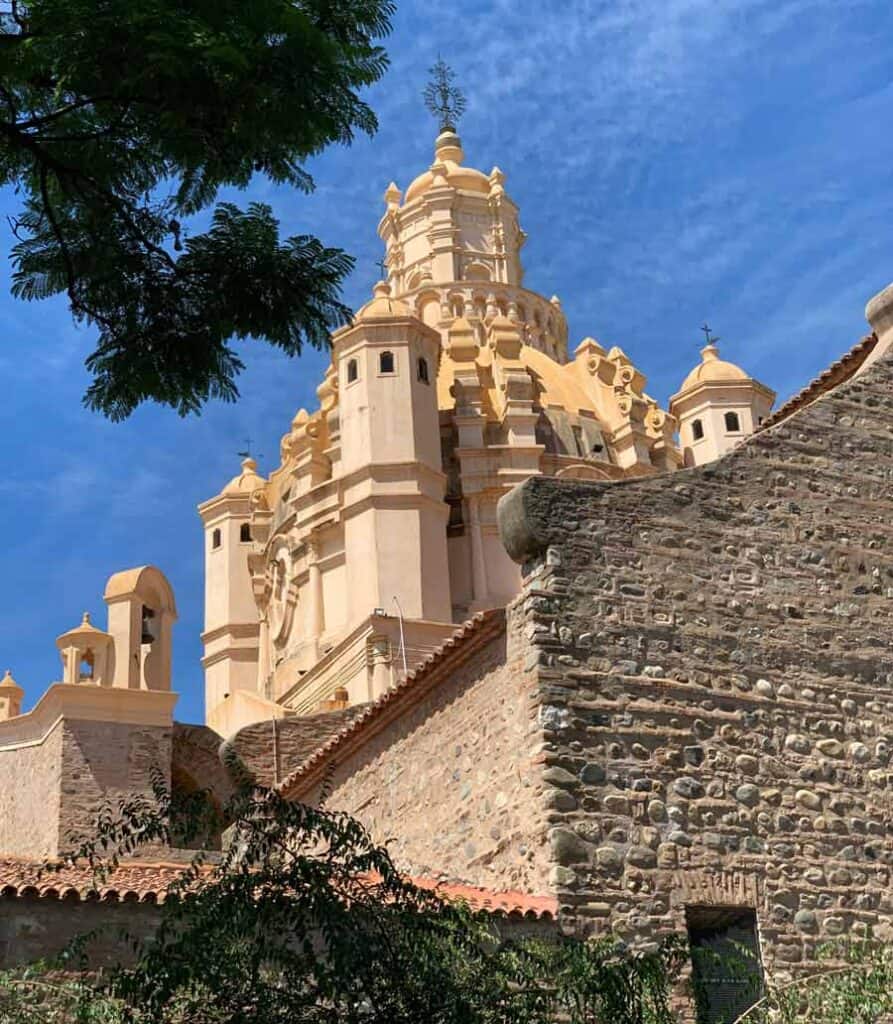
Cordoba is one of my most favourite cites in Spain, and I felt that we had to visit the equivalent in Argentina. We’d planned to stop off between Salta and Mendoza but we ran out of time and sadly had to drop this wonderful city from our itinerary.
Córdoba is Argentina’s second city, yet is often overlooked by international visitors. It is also one of the country’s most important cultural centres, shaped by centuries of Jesuit influence and a large student population.
Córdoba was a major Jesuit centre in the 17th and 18th centuries, and that legacy still shapes the city today. Jesuit Block and Estancias of Córdoba is a UNESCO World Heritage Site and includes a church, a university and residences. There are also five rural estancias (Jesuit ranches) spread across the province.
The historic core of Cordoba is compact and walkable, making it easy to explore. First time visitors may not put the city at the top of their must-see list. But, for longer, slower itineraries, its UNESCO history alone makes it worthy of a visit. And if you have lots of time you may also consider visiting nearby:
With so many options, you can see why we want to return. If you’re looking for a few less touristy options you might enjoy Cordoba too.
5. El Calafate & Los Glaciares National Park
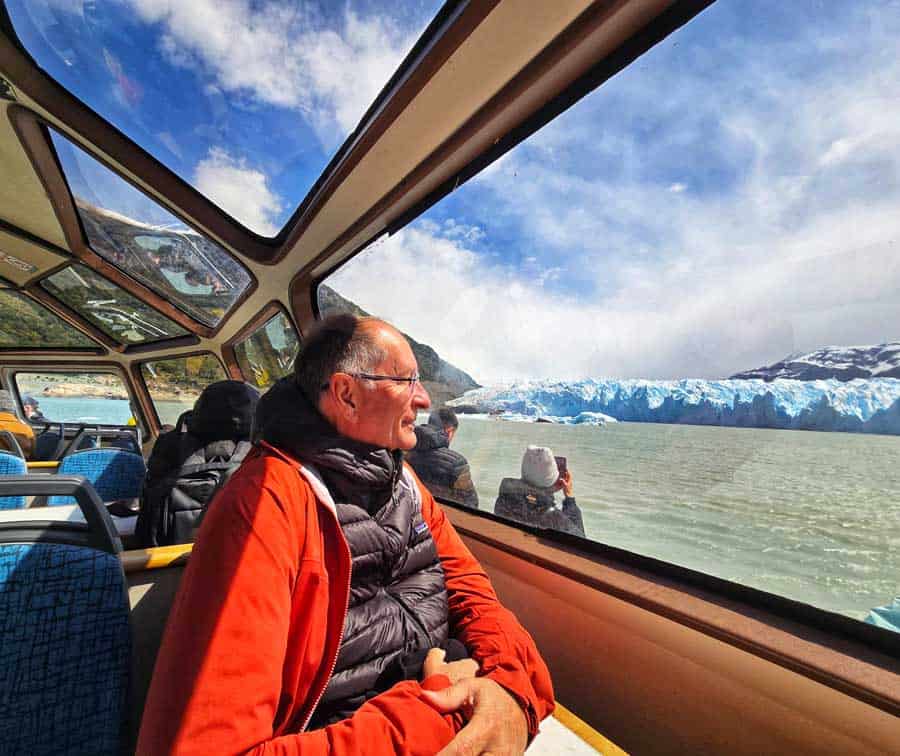
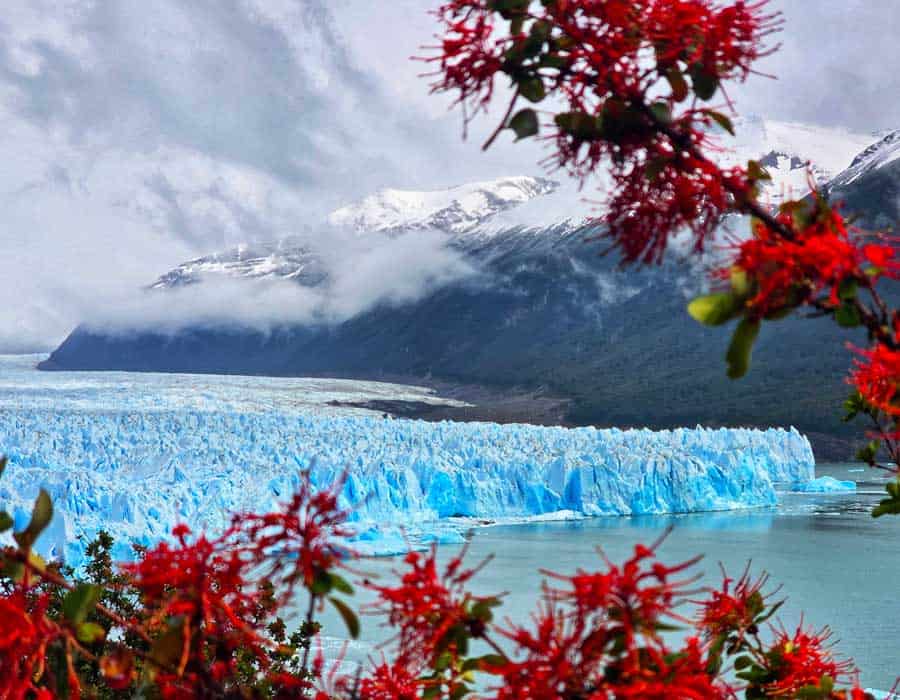
El Calafate features on almost every Patagonia itinerary; and for good reason. Most visitors come to see the famous Perito Moreno Glacier, part of the UNESCO-listed Los Glaciares National Park.
It’s fair to say that El Calafate exists primarily as a gateway rather than a destination in its own right. The town itself feels more functional than historical or charming, but its location, on the edge of vast icefields, lakes, and mountains, is what makes it special.
We flew into El Calafate from Ushuaia after our Antarctica cruise, and in hindsight, if you’re also heading south for a cruise, it makes sense to visit El Calafate first. Perito Moreno Glacier is undeniably impressive, but after the awe-inspiring scale of Antarctica, we found ourselves slightly less wowed. Visit El Calafate first, and the glacier will likely feel truly jaw-dropping.
That said, we have no regrets. The network of boardwalks and pathways at the glacier is excellent, offering multiple viewpoints across the ice, lake, and surrounding mountains. And there are paths and walkways for all abilities and they are well marked so there’s no chance of getting lost.
Los Glaciares National Park protects a vast area of icefields, peaks, and lakes in southern Patagonia. Its scale and dramatic landscapes define what many people picture when they imagine Patagonia (although for me Fitz Roy will always wear that crown!)
Beyond the glacier itself, there are plenty of opportunities for hiking, boat trips, horse riding and many day tours. We had limited time, because we tried to do too much! If you allow more time you will find plenty of options from the town.
Do come prepared. Even in December, we found when visiting around the southern icefields surprisingly cold; and that’s coming from a polar spring. Wear layers and wind protection like a buff to help keep you warm.
Top tip: Uber does not operate in El Calafate, and local taxis are noticeably more expensive if you don’t have cash. There is a local bus service, but for airport transfers it’s worth pre-arranging transport before you leave home; we found this part of our trip unexpectedly costly.
6. El Chaltén
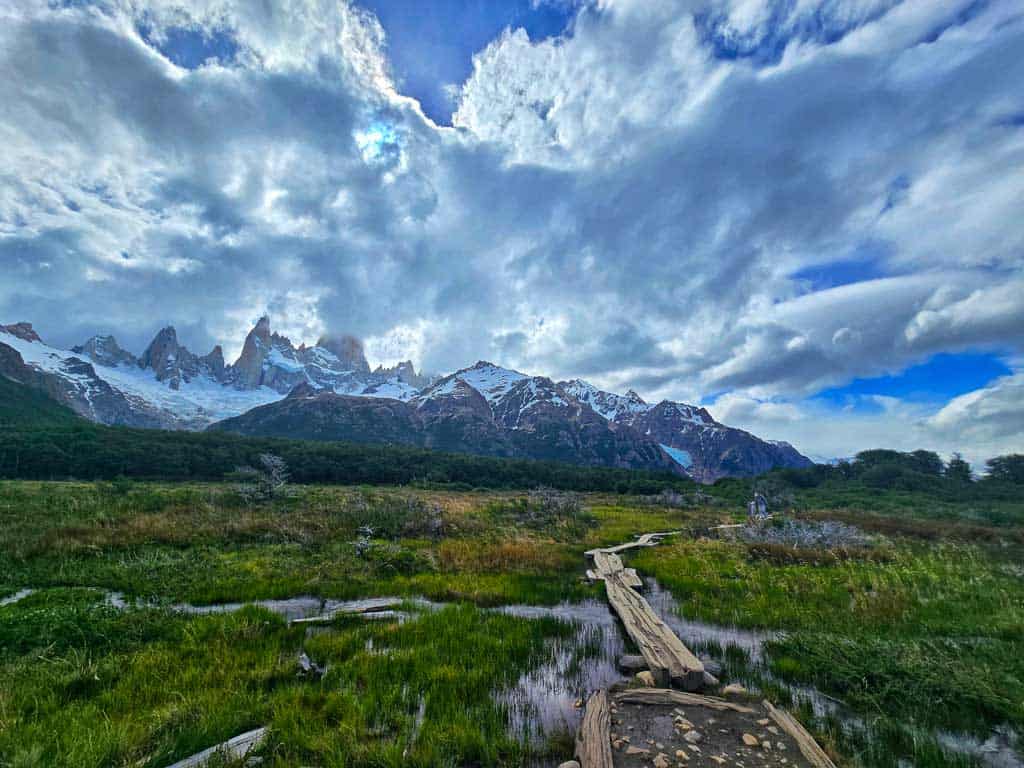
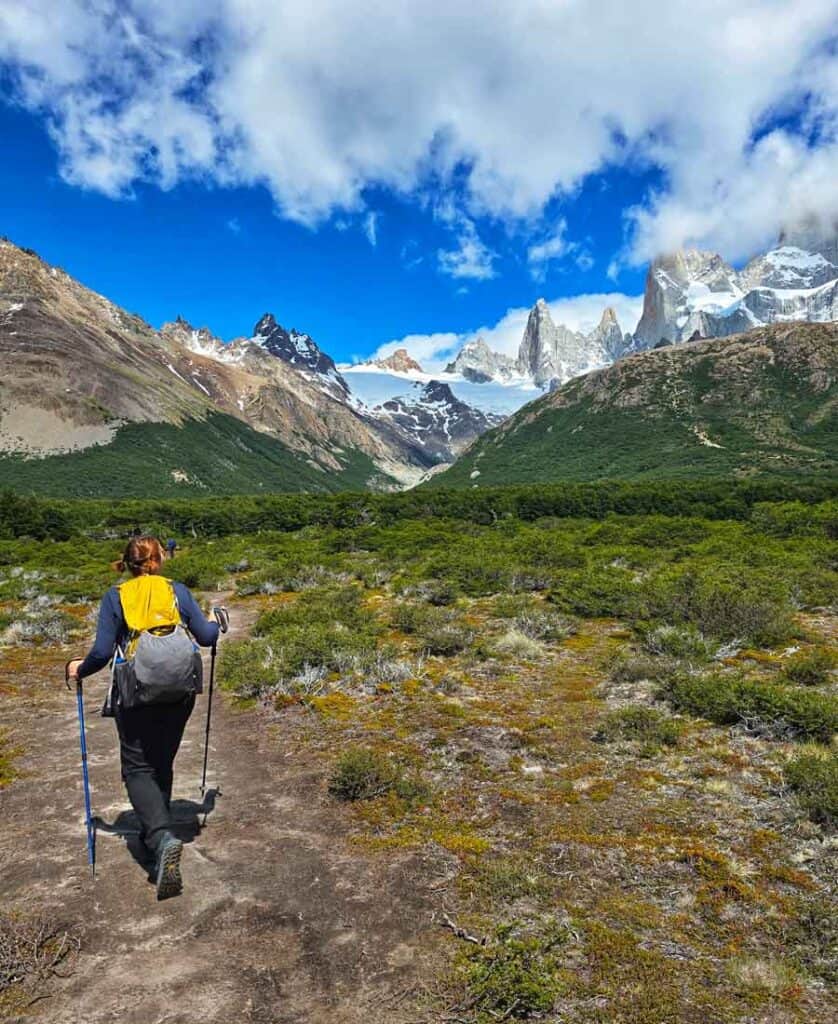
El Chaltén was not what we were expecting. Often described as Argentina’s hiking capital, it sits beneath the dramatic peaks of Mount Fitz Roy and Cerro Torre, right on the edge of Argentina’s southern wilderness.
Given how famous this small town has become, I expected something far more commercialised and touristy. In reality, El Chaltén feels surprisingly laid back and quiet which we loved. The village itself is compact and easy to walk around, and many of the main trails begin almost from the edge of town, meaning you don’t need transport to get started.
I had a childhood wish to hike to the lake at the foot of Mount Fitz Roy, and it did not disappoint. The walk to Laguna de los Tres is demanding, and it’s rightly considered one of Patagonia’s classic hikes. But what really surprised us was just how accessible El Chaltén is overall.
While some routes are challenging, there are plenty of shorter walks and gentler trails that still offer extraordinary views, making this a destination that suits a wide range of abilities.
There’s little here beyond guesthouses, cafés, and trailheads but that’s all you need. The town is well set up for walkers, with equipment shops, guides, tour companies, and I even found a gluten-free grocery store!
We met a couple who had hired a car and driven to El Chaltén from El Calafate for the day; tackling the Laguna de los Tres hike before heading back. They were utterly exhausted. There are organised day trips from El Calafate, but my advice would be, unless you really only have one day to spare, to take the public bus.
Plan to stay at least one night, and give yourself time. El Chaltén really isn’t a place to rush and for us, a day trip wouldn’t be enough. And the weather, plays a huge part in what you can do, it cost us a full day on the trails.
If you love being outdoors, even if you’re not a hardened hiker, El Chaltén is a place you’re likely to fall for. It’s certainly somewhere I’d happily return to and linger awhile.
Top tip: The weather here is famously changeable. A guide at our hotel told us, “If the weather looks good, go hiking because tomorrow’s forecast is only a guess.” He was absolutely right. We had perfect conditions for our Fitz Roy hike, followed by terrible weather the next day despite a better forecast.
7. Esteros del Iberá
I only discovered Esteros del Iberá while researching this post and now I’m sad that we never visited. But, it’s yet another reason for us to return to Argentina.
This vast wetland system is one of South America’s largest and one of Argentina’s most important conservation successes, offering a completely different side to the country from its better-known mountains, glaciers, and cities.
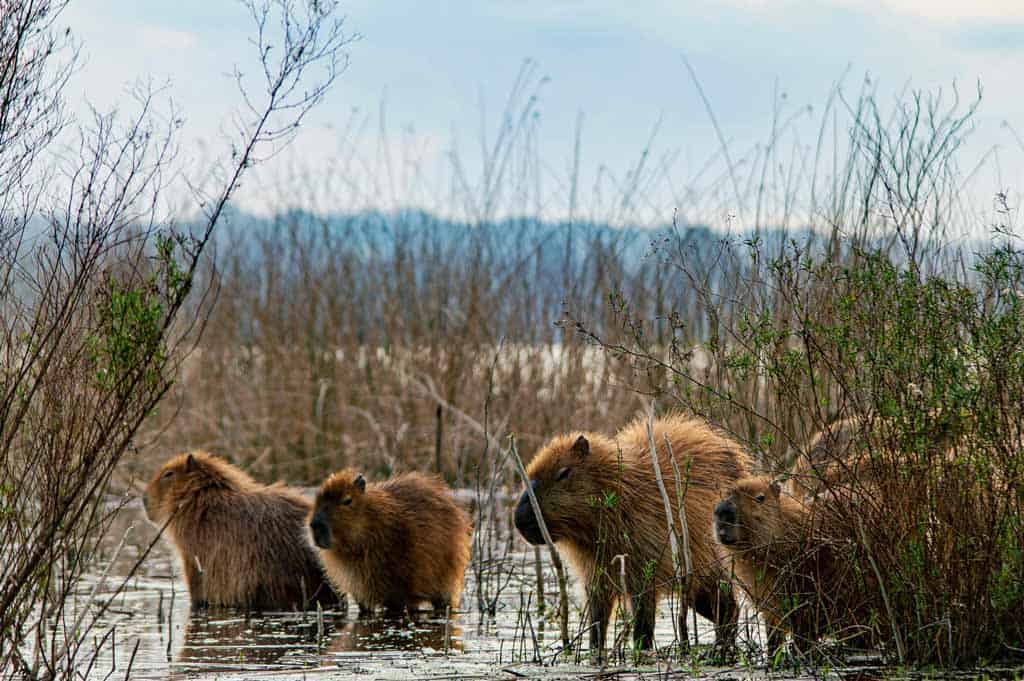
Esteros del Iberá is immense. Its name translates as wetlands, and is one of the most significant freshwater ecosystems on the continent. Its appeal is wildlife. You’ll find lagoons, marshes, grasslands, and an extraordinary density of animals. Capybaras, caimans, marsh deer, monkeys, and more than 360 bird species call this region home.
When we were planning our South America trip, we looked at visiting the Pantanal in Brazil. Unfortunately, it would have been the rainy season, and the cost and logistics of crossing borders didn’t really make sense. How I wish I’d done my research better. Esteros del Iberá would have been a compelling alternative: it stays entirely within Argentina, is generally less expensive, and offers a comparable wetland wildlife experience.
Visiting though does require planning. Accommodation is mainly in small eco-lodges rather than towns, and travel is slower. But for travellers with flexibility, particularly those who enjoy wildlife, photography, and quiet places, this could be one of the most rewarding stops on your Argentina itinerary.
If you’re heading to Buenos Aires or Iguazú Falls and are looking for something different in northern Argentina, and you have time to plan a more unusual detour, Esteros del Iberá could be a wonderful choice. Just be prepared for a longer journey to reach this remote and special place.
Top Tip: Most visitors base themselves in Colonia Carlos Pellegrini, the main gateway village to the wetlands. Reaching it requires planning and usually a long 4×4 journey.
8. Iguazú Falls
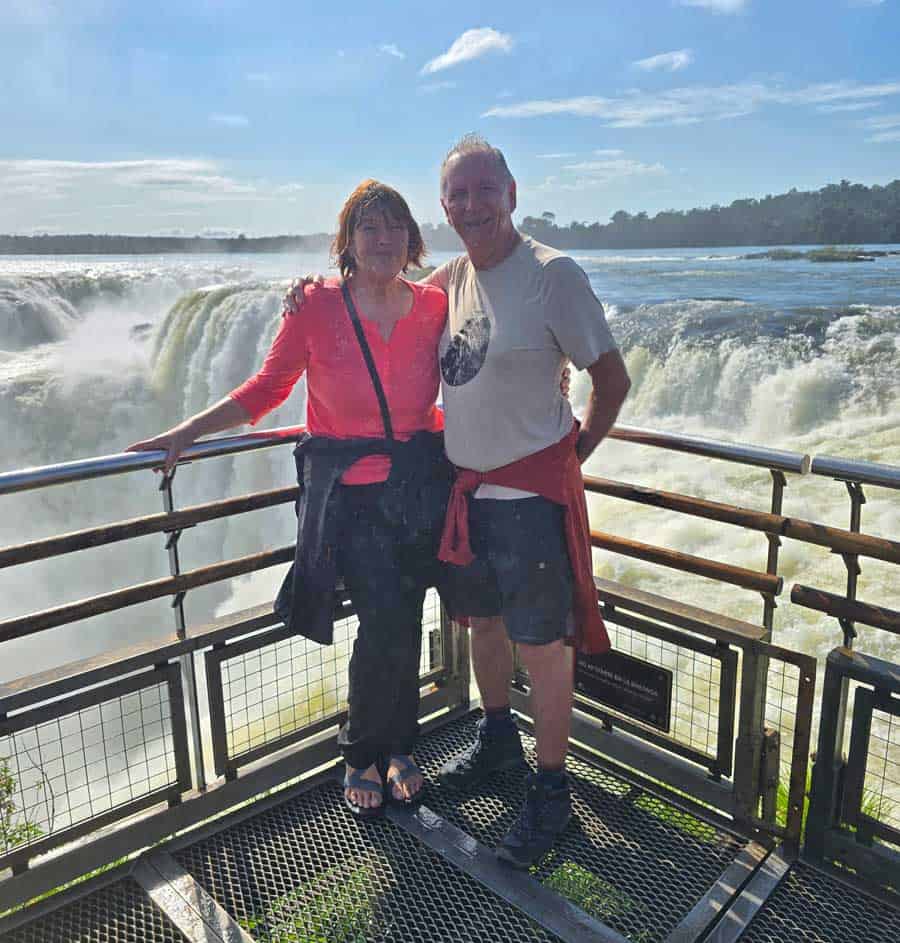
Iguazú Falls is one of South America’s most iconic natural sights, straddling the border between Argentina and Brazil, with Paraguay just a short distance away.
Rather than a single waterfall, Iguazú is a vast system of around 275 separate falls, spread across three levels. And the sheer scale and power of the water makes it a must see destination.
We’ve explored Victoria Falls in Zimbabwe, and Niagara Falls in Canada and we’ve hiked around some of Iceland’s most dramatic cascades. If I’m honest, waterfalls aren’t my thing unless they’re really big. We visited Iguazú because it felt like something you had to do and I didn’t expect to be blown away. And yet I was. These falls are enormous. Truly, astonishingly.
The park is very well organised, with extensive walkways on both sides of the falls. The walkways and trails make Iguazú accessible for most visitors, although there are still some distances involved, particularly when walking out to the famous Devil’s Throat. It can be busy at peak times, but when we visited in December, it never felt overwhelming.
Top Tip: The walkways on the Argentinian side are made of metal and the joins between sections can be slippery. It’s not a big deal but be aware of this and wear shoes with good grip… and avoid the joins!
If you can allow at least two or three nights. We arrived from Buenos Aires and left from Brazil on our way to Rio de Janeiro. We lost a day due to a changed flight, but still managed to pack a lot into a single full day: visiting both sides of the falls, walking most of the walkways, and even taking a scenic flight.
Even so, we missed a few things; one of the Argentine walkways, the bird park on the Brazilian side, and the boat trip beneath the falls. For that reason, I’d strongly recommend allowing two full days. With more time, it’s also possible to add a short side trip into Paraguay and visit to the wider national park area.
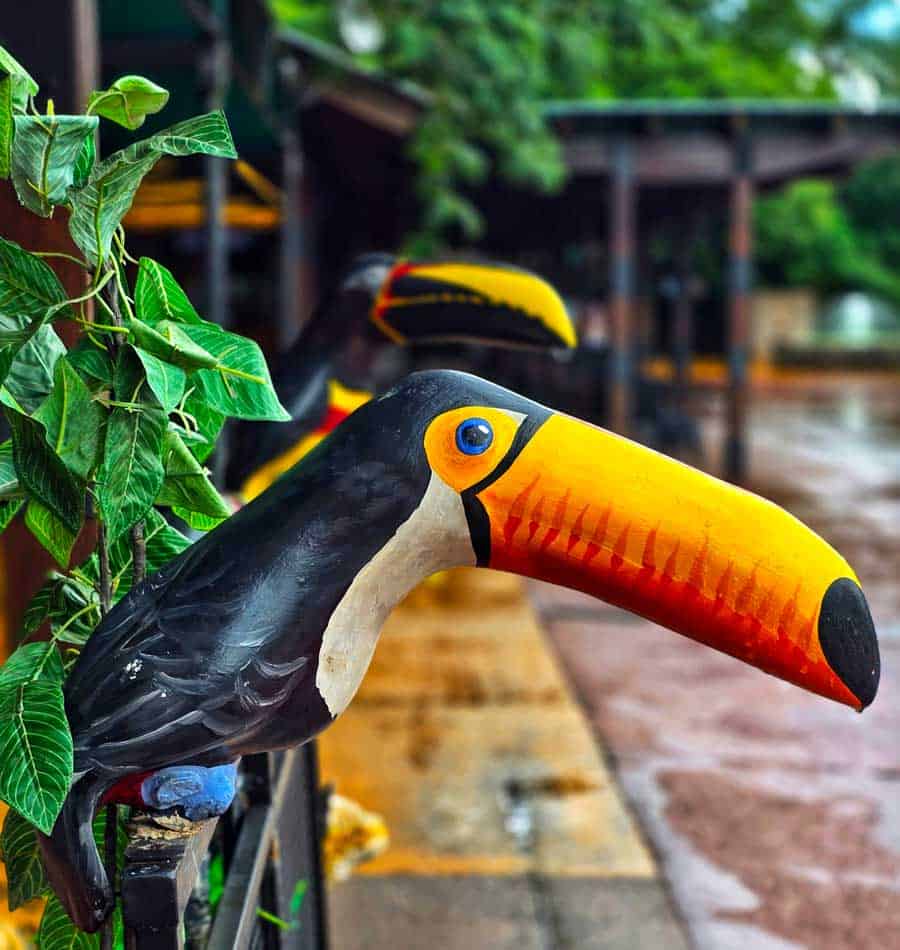
Beyond the waterfalls, this region is also an important area of Atlantic rainforest, protected within Iguazú National Park (a UNESCO World Heritage Site). The surrounding forest is home to remarkable wildlife, including toucans, butterflies, monkeys, coatis, caimans, and even the more elusive jaguars and tapirs.
If you’re visiting Buenos Aires, it’s absolutely worth allowing time for Iguazú. The falls are extraordinary, the setting is tropical and dramatic, and for us, it was a spectacular way to say au revoir to Argentina.
Top Tip: On the Argentine side, the falls are called Iguazú, and most visitors stay in Puerto Iguazú. On the Brazilian side, they’re known as Iguaçu, with accommodation in Foz do Iguaçu. Border crossings between the two are straightforward, but check visa requirements in advance.
9. Mendoza
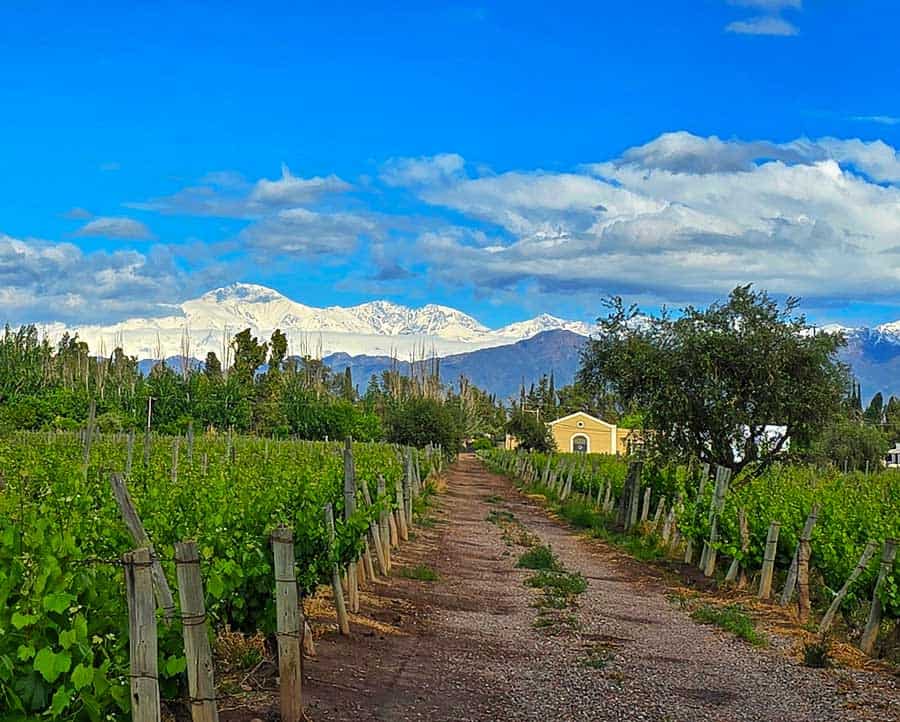
If you love wine, then you need to add Mendoza to your itinerary. Sitting in the foothills of the Andes, it’s the country’s most famous wine region, and its setting is a big part of that appeal. Vineyards stretch across wide valleys, backed by dramatic, oft snow-capped peaks.
We live near Bordeaux, we love wine tasting and we knew that we would have to visit this area. And it did not disappoint. The wine is every bit as good as we hoped, we took two fabulous wine tours and I enjoyed maybe the best steak I’ve ever eaten here.
We arrived in Mendoza from Salta, but many visitors fly in from Buenos Aires. It’s also well connected to Santiago in Chile, by a spectacular bus route across the Andes. The journey is beautiful, but border crossing is notoriously slow, so be prepared for that with border-safe snacks and water.
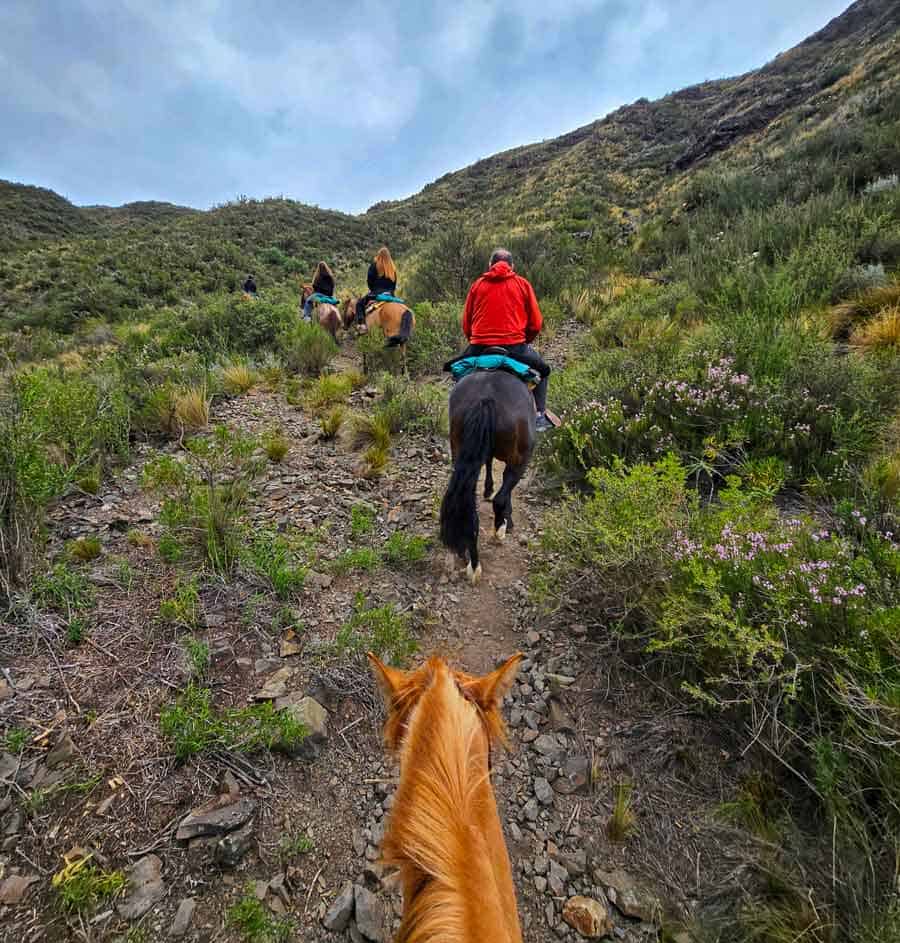
You come to Mendoza for the wine, but as we learned, there is far more here than vineyards. We enjoyed exploring the city itself and spent a day riding in the mountains with gauchos. There are opportunities to hike and even hot springs nearby if you’re looking to slow down and relax. Day tours are plentiful, and many travellers choose to hire a car to explore the surrounding wine valleys independently.
However you visit, Mendoza is a rewarding and easy destination to add to your route and is a very different city visit than Buenos Aires.
10. Península Valdés & Puerto Madryn
This is another destination that we didn’t manage to visit, but one that kept appearing during research. Península Valdés is one of Argentina’s most important wildlife regions and a UNESCO World Heritage Site, recognised for its exceptional marine biodiversity.
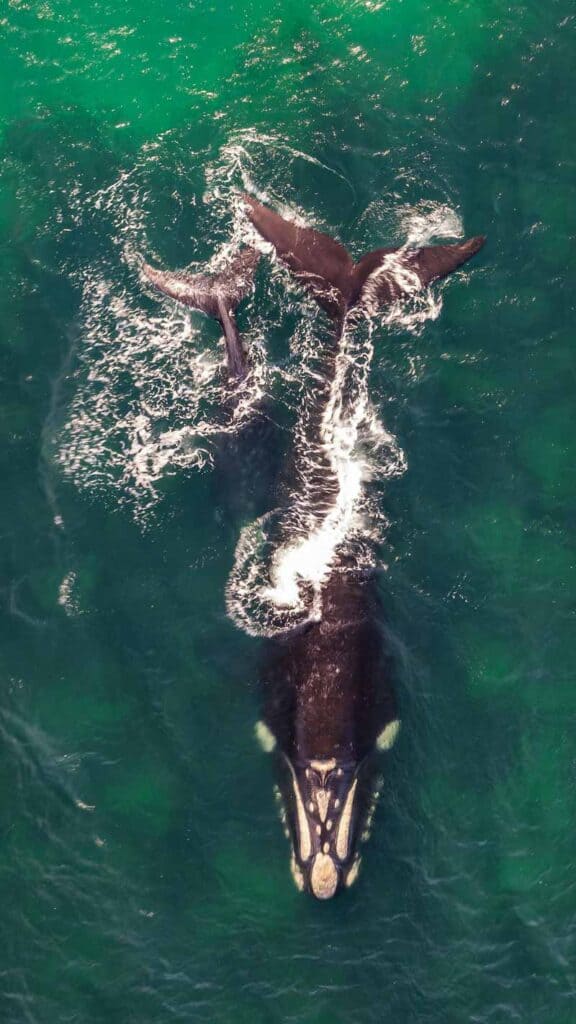
Located on the country’s Atlantic coast, Península Valdés is best known for seasonal wildlife encounters, particularly the arrival of southern right whales, which come close to shore to breed and calve. We met a couple on our cruise who told is they saw so many whales, they could watch them from the shore!
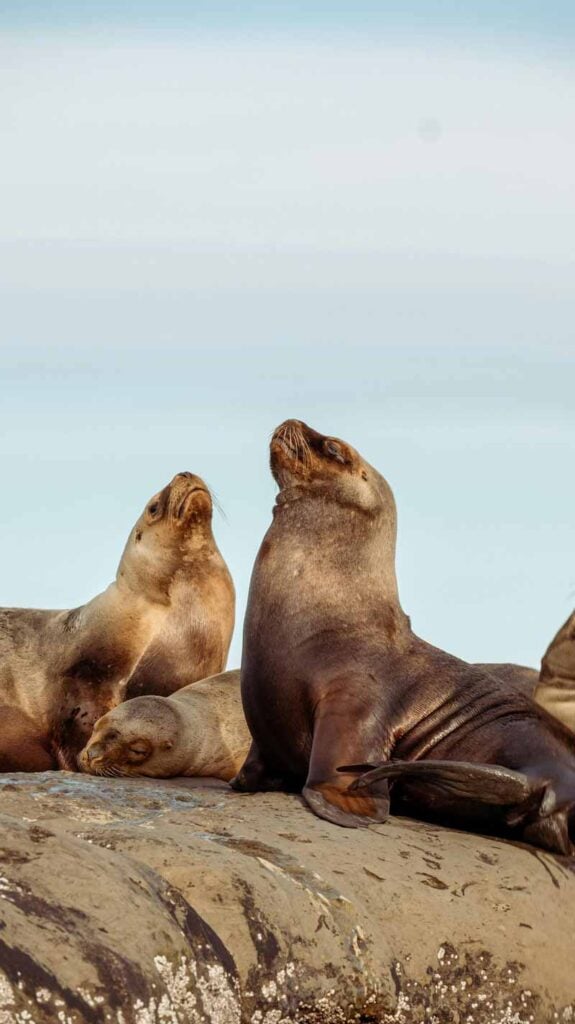
Depending on the time of year, visitors may also see elephant seals, sea lions, penguins, and orcas, making this one of Argentina’s most rewarding destinations for nature lovers.
The appeal is very different from Patagonia’s mountains and glaciers. Wildlife encounters often take place from viewpoints, the beaches, or from boats rather than on long hikes, which makes this a good option for travellers who enjoy nature but don’t necessarily want strenuous activity.
Most visitors base themselves in Puerto Madryn, a functional coastal town that acts as the gateway to the peninsula. Puerto Madryn itself isn’t especially charming, but has a wide choice of accommodation, restaurants, and tour operators offering excursions into the reserve. The town also has a seafront promenade and a handful of museums that provide useful context for the region’s wildlife and history.
Like Esteros del Iberá, this is a destination that works best when chosen intentionally. Wildlife sightings are seasonal, distances are long, and tours often involve early starts. But for travellers who plan around the seasons, particularly those with an interest in marine life, Península Valdés could easily be one of the most memorable experiences in Argentina.
Top Tip : Timing really matters. Visit between June and December for southern right whales, with peak sightings from September to October. Magellanic penguins are present from September to March, with chicks usually seen in January and February. March to April offers if you’re very lucky, the chance to see orcas beaching to hunt sea lions. Overall, October to December provides the greatest variety of species.
11. Salta, The Northwest, Cafayate & the Quebradas
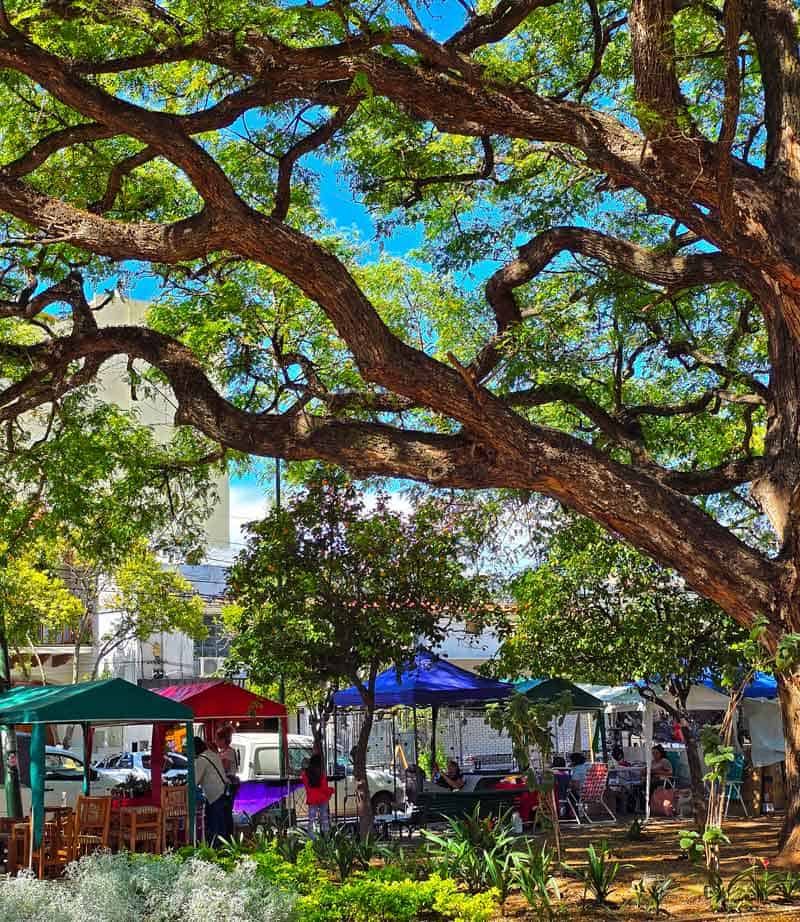
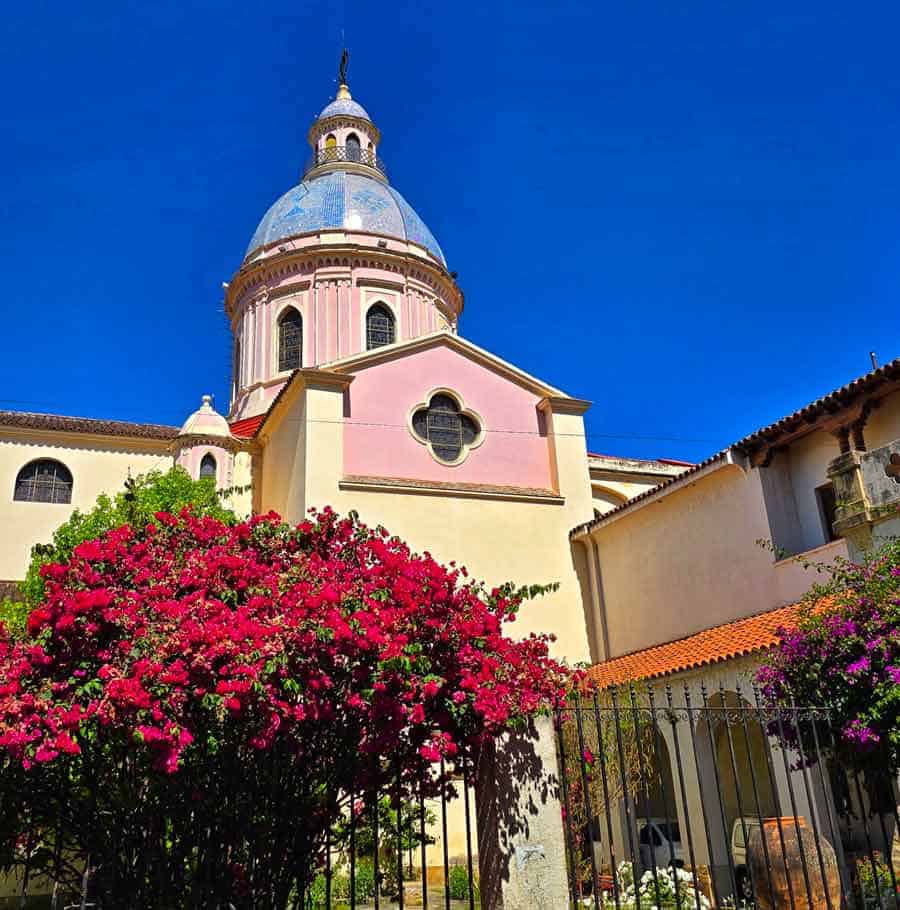
Salta is the natural gateway to northwest Argentina and feels quite different from the landscapes of the far south. We spent a few days here and really loved its small-town feel.
We arrived by bus from San Pedro de Atacama, an extraordinary journey across the Andes that we’d highly recommend. Salta felt like a place to pause and regroup, particularly after a hectic journey from Lima and Peru and a rather challenging experience with altitude sickness.
The city makes an appealing base for exploring the wider region. We had booked a few longer day trips to visit the cultural villages, but when faced with the choice between pushing on or taking a break, we opted for the quiet stay. It was the right decision at the time, although we do regret not exploring further afield, as the landscapes beyond Salta are among the most striking in Argentina.
From Salta, travellers head north into the Quebrada de Humahuaca, a dramatic high-altitude valley recognised by UNESCO for its cultural significance. This ancient corridor has been used as a trade and migration route for thousands of years, and its layered history is still visible today in the small towns, traditional dress, and markets along the way. One of the most recognisable stops is Purmamarca, best known for the Hill of Seven Colours, where mineral-rich layers create a striking, almost unreal backdrop.
Travellers familiar with Peru’s Colca Canyon may recognise a similar sense of continuity here with ancient farming landscapes, long-established villages, and layers of pre-Inca, Inca, and colonial history.
To the south of Salta, the landscape shifts again as the road winds through the Quebrada de las Conchas, one of Argentina’s most scenic drives. This narrow canyon is famous for its sculpted rock formations, deep reds and ochres, and natural amphitheatres.
The route eventually leads to Cafayate, where vineyards sit against a backdrop of desert landscapes and distant mountains. Cafayate is best known for its high-altitude wines, particularly Torrontés; quite different from the styles you’ll find around Mendoza.
This is absolutely a region we’d like to return to and explore further, but with a hire car and plenty of time. Distances can be deceptive and the scenery changes constantly. We were also reliably informed that the wine here is very good, which gives us yet another reason to put it on our “next time” list.
Top Tip : Travellers with more time sometimes add a detour to Cachi, a small Andean town in the Calchaquí Valleys known for its whitewashed buildings, mountain setting, and unhurried pace.
12. Ushuaia
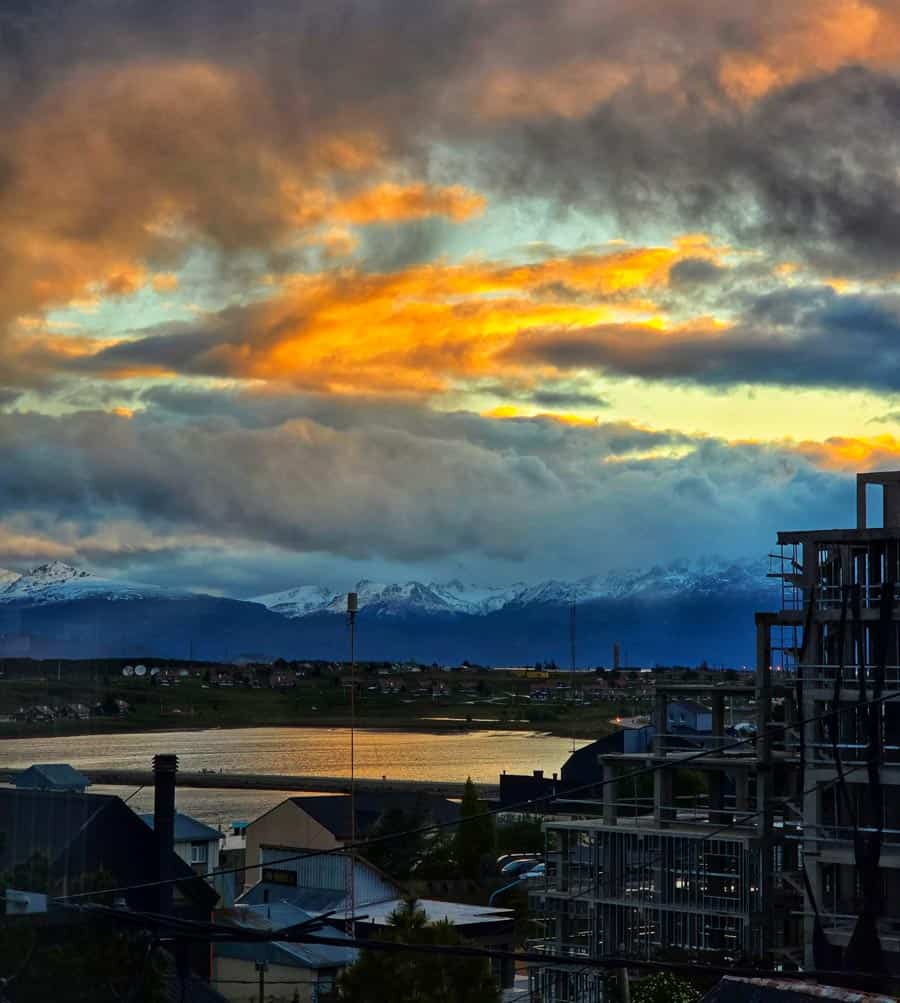
We travelled to Ushuaia from Punta Arenas, crossing through Chilean Patagonia. I was more than a little excited. Yes, we were heading here to find our ship for our Antarctica cruise, but we were also travelling to the End of the World, the southernmost city on the continent.
The drive itself wasn’t quite as dramatic as we’d expected, but as we approached the mountains of Tierra del Fuego National Park and followed the shoreline of the Beagle Channel, it was impossible not to feel a sense of arrival.
We had three days in Ushuaia before our cruise, which felt about right. There are plenty of ways to fill your time, including day trips into Tierra del Fuego National Park, boat trips along the Beagle Channel, and time to explore the town itself.
Ushuaia’s museums are interesting and give useful context to the region’s history, exploration, and indigenous cultures, and the tourist train to the “End of the World” is a popular (if slightly kitsch) option.
Boat trips along the Beagle Channel often include sightings of sea lions and seabirds, and penguin colonies can be visited on longer excursions during the summer months. But this isn’t a destination chosen primarily for wildlife encounters; it’s more about landscape, remoteness, and the feeling of being at the edge of the map.
It’s true that many people come to Ushuaia simply as a staging post for an onward journey. But if you have the time, there’s something undeniably special about reaching this far south.

Itinerary Ideas At A Glance
Above we’ve shared our short-list of amazing destinations but if time is tight and you’re wondering how to group these together, here a few ideas to get you started. And remember, these are just ideas. You can mix and match depending on how much time you have, your budget, the time of year you travel, and what excites you most.
Love Cities, Food And Culture And An Easy First Trip?
Choose Buenos Aires and Mendoza, and add Córdoba if you’ve got extra time and want a third city with its own history and sights.
This works well for travellers who enjoy big city energy, excellent food and wine, and relatively easy internal travel without too many long journeys.
Love The Classic Argentina Highlights?
Choose Buenos Aires, Iguazú Falls and Patagonia (El Calafate and El Chaltén) for perhaps the greatest sights of Argentina. This offers the visitor a vibrant capital, tropical waterfalls, then glaciers and mountain scenery.
Great for first time visitors who want to see Argentina’s most iconic landscapes in one trip.

Love Hiking And The Great Outdoors?
Choose El Chaltén and El Calafate with the option of adding Ushuaia if you have more time and wish to explore the end of the world. You can also pair with a visit to Chilean Patagonia and hiking in the famous Torres del Paine National Park.
Great for active travellers who want to spend their days outside, or those looking for more remote and wild landscapes.
Love Wildlife Without The Hiking?
Choose Península Valdés or Esteros del Iberá. For Iberá, you can add Iguazú to combine wildlife with those incredible falls.
These are great choices if you enjoy nature and wildlife, but do remember they are very much season dependent destinations and will require a little forward transport planning.
Love Colour, History And A Slower Pace?
Chose Salta and the Argentinian Northwest with Quebradas and Cafayate. If you want more, add-on Cachi and even Mendoza if you want to compare the wine regions.
Great for those looking for a road trip or wanting to see the older side of Argentina and a landscape rich in culture and scenery.
Love Crossing Borders And Scenic Journeys?
Choose Mendoza, crossing the Andes to or from Santiago Chile via Aconcagua National Park. Or choose Salta with the incredible journey across the mountains from San Pedro de Atacama.
This is a great if you prefer overland travel to flying and enjoy journeys that are as memorable as the destination.
Top Tip: Travel days add up, plans change, buses and flights are cancelled, and you might even get sick! We had all of this and more! The time frames I use here are intended as a guide to help you plan rather than fixed itineraries.
And finally do remember that Argentina is vast, and no single trip can cover everything. Choosing one or two destinations and travelling more slowly can sometimes lead to a far more rewarding experience than trying to see and do everything at once.
What Will Be On Your List Of The Best Places To Visit In Argentina?
Writing this post made me realise that even though we spent weeks travelling across this incredible country, we really only scratched the surface. And it left me hungry for a return visit.
Argentina feels almost like a continent in its own right. The dramatic south, the more familiar central regions and then the north, which at times felt more like tropical SE Asia. The food and colours and culture and landscape surprised us again and again.
There is not one part of Argentina that we didn’t enjoy. From road trips crossing mountain passes, to the wild landscapes of Patagonian Argentina, the vineyards of Mendoza and that last tango in… Buenos Aires. It all left its mark.
We know we’ll return. But if you’re planning your first trip, take heart: you don’t need to see everything all at once. If your itinerary includes just one or two of our ‘best places to visit’ you’re already planning an unforgettable journey.
Would You Like More About Argentina
We’ve visited South America twice now and we know we’ll return. If Buenos Aires is part of a wider journey, you might also find our other posts on South America and Antarctica helpful.
And we’ll be adding more Argentina guides shortly and linking them here as they’re published.
Don’t Forget Travel Insurance
Whenever you travel, you should have great travel and medical insurance. None of us expect anything bad to happen, but in the event of an incident, you want to be sure that your insurance will cover you.
I’ve ended up in hospital in Peru, Indonesia, Portugal, Japan and Ireland. Every time my insurance took care of everything. I would never leave home without full and comprehensive insurance.
MondialCare : Due to increasing limitations, mainly due to age, we have recently switched to MondialCare for our travel insurance. We have taken an annual policy at a very reasonable cost that includes medical and other travel cover. There are no trip length limits and the upper age for cover is 84. For Camino walkers and travel in Europe they have a low cost Schengen policy with no age limit.
TrueTraveller : We have used this policy and were very happy with the cover, especially considering our ages and pre-existing conditions.
Globelink: We have used and recommended Globelink for years and not heard of any issues. They are a great choice for European and UK Residents.
Genki : This is an EU based company offering long term policies for nomads and travellers. Their monthly rates are very competitive for longer trips too.
Try Our Trip Planning Tools
Start here to find the best accommodation
Start here to find flights for your adventure
Start here to find the best sightseeing tours

Hey I’m Colleen. I’m married to Gerry, we’ve three fabulous kids and been living in France for almost two decades. I fell in love with Spain in the 1980s and I’ve walked 1000s of miles along the Camino de Santiago. Now we’re exploring and walking the world and I can’t wait to share what we’ve learned!