
Home > Destinations > South America > Argentina > Is Buenos Aires Worth Visiting?
Is Buenos Aires Worth Visiting? And why We’d Love To Go Back
Some of my links may be affiliate links. If you make a purchase, I might earn a small commission at no cost to you. See our Privacy Policy for details. And this post was crafted with care and occasional typos by Colleen (and not AI)
If you’re of fan of musicals, your first memory of this glorious city might well be Evita. Or, if you’re a football fan like Gerry, it was the World Cup. Whatever the reason, we were heading to South America, and Argentina’s capital felt like a good place to spend some time.
Was Buenos Aires worth a visit? Yes! It absolutely was. We quickly realised that we hadn’t allowed anywhere near enough time.
If you enjoy culture, food, history, and neighbourhood life you’ll be as charmed as much as we were. Buenos Aires may well be our new favourite city, and if you’re thinking of visiting, read on and we’ll tell you why you should!

The Quick Answer : Is Buenos Aires Worth Visiting?
Why Is Buenos Aires Worth Visiting?
Before we arrived, we had a few worries; safety, changing money, rising costs, and whether British visitors would feel welcome after the Falklands. We were also travelling shortly after a national election and wondered how that might affect the atmosphere.
We needn’t have worried. Buenos Aires felt calm and surprisingly relaxed. It felt modern and clean and culturally rich, and was very easy to navigate. Most of all, it felt welcoming.
This is a city for people who enjoy music, art, walking, cafés, green spaces and good food. If you’re coming purely for beaches or quiet rural escapes, Buenos Aires may not be the right fit; but even then, it’s worth allowing a couple of days.
For us we felt the city offered something for everyone, particularly couples and slower-paced visitors but it’s a capital city and would offer something for young and solo travellers too.
In short: Buenos Aires is worth visiting if you enjoy culture, food, walking cities, neighbourhood life, and history. It’s safe with normal precautions, good value for its quality, and rewards staying longer than you expect.

Visit Buenos Aires For The Culture & History
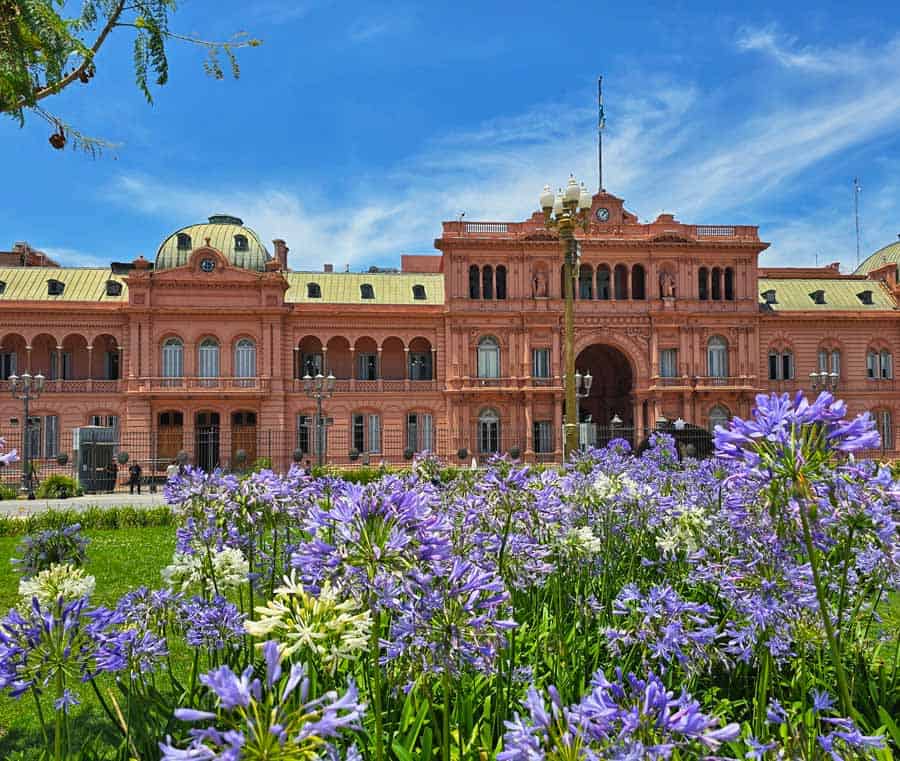
The first thing that strikes you when you arrive in the heart of Buenos Aires is how European it looks. We live in France and spend a good portion of every year in Spain, and we felt right at home.
There’s clearly a reason why the city is called the Paris of the South, although at times it could just as easily be Madrid or Seville.
We spent three months travelling through South America and visited Lima, Santiago, and Rio, all fascinating in their own ways, but none of them wowed us quite like Buenos Aires.

Visit For The Food, The Wine & The Cafe Culture
We’d already spent time in Mendoza so we knew to expect good food and excellent wine, but even so, we were still blown away by just how good it was. Buenos Aires is famous for steak, and yes, it really is everywhere, but Argentine cuisine is about far more than beef.
The mix of cultures has brought real variety and invention. We ate seafood in a small local restaurant that was just as memorable as our glorious dinner at Oviedo. Even the meal before our tango show was genuinely good.
Eating gluten free was surprisingly easy. Sin tacc options were widely available, vegetarian dishes were common and even at the airport finding GF food wasn’t a problem.
Coffee, Ice Cream & Alfajores
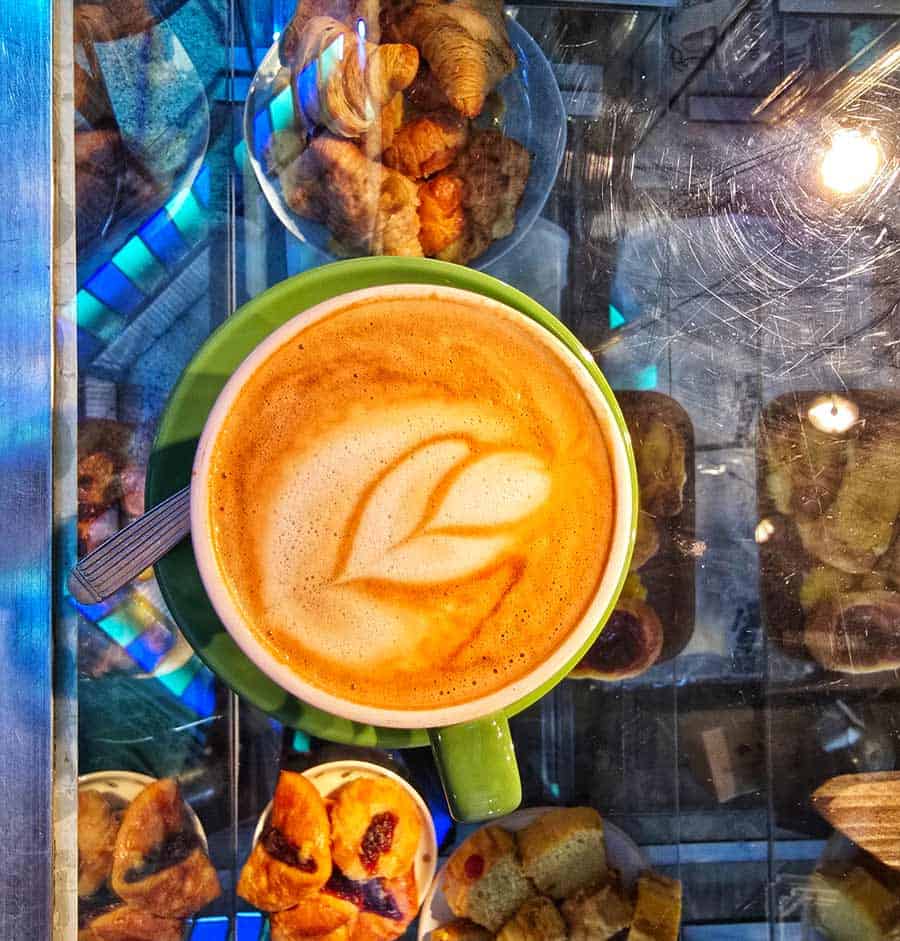
Café culture is deeply ingrained in Buenos Aires city life. The smell of coffee is everywhere.
We nearly always ordered grande and Gerry often paired his with pastries that wouldn’t look out of place in a French pâtisserie. At San Telmo Market we found flaky tarts and quiches that made your mouth water.
We’d been told to visit Café Tortoni, but stumbled upon Café La Ideal during a walking tour. It was so glorious and reminded us so much of the Majestic Cafe in Porto, that we went back for dinner. It’s not the cheapest café in town, but it’s wonderfully grand, and afternoon tea there would be fabulous.
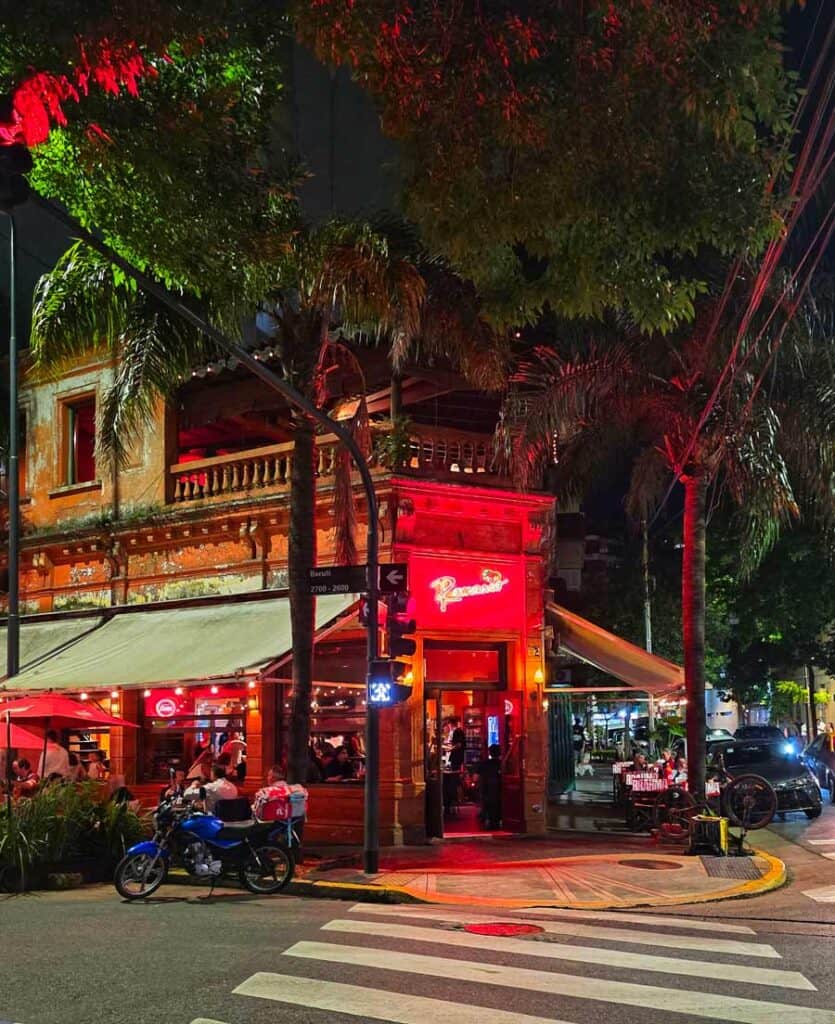
And then there’s the ice cream. I think Buenos Aires may have spoiled ice cream for me forever, as nothing quite compares. We tried Freddo, Lucciano’s, and Rapanui but for us, Rapanui won hands down. Try their dark chocolate and meringue… oh my.

And then there’s Wine…
We drank excellent wines from across the country, including a memorable Albariño that took us straight back to Galicia in Spain!
A glass of wine feels like a natural accompaniment to every meal here, and you’ll find excellent bottles at sensible prices almost everywhere. And Gerry reminded me that there’s also a thriving craft beer scene too.
Iconic Dishes to Try in Buenos Aires
I don’t often enjoy eating out. Searching for gluten-free options usually means compromise. That wasn’t the case in Buenos Aires. These are some of the dishes we saw again and again and enjoyed in different forms across the city and elsewhere in Argentina.
Seafood also surprised us. Gerry was keen to visit Oviedo Restaurant, after an Uber driver told him they served the best seafood in the city.
And for anything sweet:
You may have guessed that we loved the food in Buenos Aires. If, like us, you enjoy good produce and well-cooked food, you’ll love eating your way around the city.
Discover The Neighbourhoods
We had no real idea what to expect from Buenos Aires. A few friends had told us we’d enjoy it, but beyond that we did very little research. As we’d found in Lima, I assumed there would be certain areas better suited to visitors, so I did a quick check on neighbourhoods before booking our Apart-hotel in Recoleta.
At first, I was thinking mainly about safety. What I didn’t consider was cafés, parks, supermarkets, or how it would feel to walk around day and night. We quickly realised we’d want to come back, so we started talking about where we’d base ourselves next time.
Buenos Aires has a lot of neighbourhoods, each with its own personality. These were the ones we enjoyed most as visitors.
Overall, Buenos Aires is a very walkable city, especially within individual neighbourhoods. Traffic can be heavy, particularly at rush hour, but public transport, taxis, Cabify and Ubers make it easy to move between areas.
Is Buenos Aires Affordable For Visitors?
Buenos Aires is a vibrant, prosperous capital city, so it’s never going to be an inexpensive destination. That said, it’s also nowhere near Paris or London prices, and overall, we found it very good value for the quality.
Accommodation
We found excellent accommodation at very reasonable prices, with good options across all budgets. Comfortable apartments in neighbourhoods like Recoleta were well within reach and from as little as $50 a night. Even high-end hotels in central locations came in under $200 which felt more affordable than their European equivalents.
Food and drink
As you’ll have gathered already, eating well in Buenos Aires is easy and doesn’t have to be expensive. There are certainly some very smart restaurants, but even then, prices felt fair. A memorable three-course meal with wine at Oviedo still came in well below what we’d expect to pay for the same in Europe.
We also had one of the best steaks of our time in Argentina at Hierro in San Telmo Market, and that meal cost less than $20. Overall, prices felt broadly in line with Spain and in some cases a little lower.
Buenos Aires isn’t as cheap as Southeast Asia, but we found it more affordable than perhaps Canada, the USA, or France. And what stood out most was the consistency; we were rarely disappointed.
Tours and experiences
Buenos Aires offers excellent value for experiences. Free walking tours are available (with tips expected), and we paid around $10 each for small-group tours with knowledgeable guides.
A full day trip to Tigre cost around $60, and a tango show, which we’d highly recommend, starts from around $40.

Getting around
We relied heavily on Uber and found it very affordable, with most journeys costing just a few dollars. Traffic can be heavy, so allowing extra time is important, but using ride-hailing made getting around easy and stress-free.
We were told Cabify was more popular but often found Uber got us a ride faster. But have both on your phone and use both.
Public transport is also extensive and inexpensive, although we opted for Uber for convenience.
Longer stays
It’s no secret that we loved Buenos Aires and already know we’ll return, probably for a month or more.
When we started looking at long stay accommodation, we found great little Recoleta apartments from around $1400, that makes a longer winter stay very realistic, even factoring in flights from Europe. Day-to-day costs such as groceries, cafés, and eating out felt consistently reasonable and this is absolutely an option we’re considering.
Our Thoughts On Money, Inflation, And What We Experienced
Before we arrived in Argentina, we’d heard stories about rampant inflation, spiralling costs, and the need to carry large amounts of US dollars. In practice, this wasn’t our experience at all.
We paid for almost everything easily with non-contact currency cards, like REVOLUT and Wise.
Locals we spoke with were pragmatic rather than concerned, and while everyone acknowledged that Argentina has had some challenging times, there was also a sense that things felt calmer than the headlines suggest.
For us as visitors, money was simply not a concern, and it didn’t detract from enjoying the city.
Top Tip : Despite the recent political shifts and currency changes (the ‘Blue Dollar’ is less of a factor now than it used to be), using a standard international debit card like Revolut or Wise worked perfectly at the official market rate..
Is Buenos Aires safe to visit?
Buenos Aires feels as safe as any large city you might wander around, certainly we felt just as comfortable there as in Bordeaux. For us, we never felt unsafe, and our day-to-day experience was calm, relaxed, and easy to navigate with the usual big-city awareness you’d have anywhere.
That said, official government travel advice places Argentina at ‘normal precautions’ level:
Tourist police are visible in key zones, we were told that there is also a considerable amount of CCTV around the city and most visitors enjoy their visits without any issues.
Violent crime against tourists is relatively uncommon compared with many other large cities, but petty theft is something to watch for. The bigger risk in Buenos Aires is opportunistic, not violent, so sensible precautions go a long way.
Honestly, for us the city never felt remotely unsafe, we kept to the popular tourist areas and neighbourhoods and felt just as comfortable as other European cities. Ironically, the only city where we’ve ever actually been pick-pocketed was Barcelona!
Top Tip: I use an over the shoulder bag cross-body bag when hiking and these days it travels around the world with me. It’s light, so easy to store valuables and it’s waterproof.
How Many Days Do You Need in Buenos Aires?
When I’m planning a trip, I often start by typing “how many days in X” into Google to get a broad sense of what’s realistic. If time allows, I nearly always add an extra day or two and Buenos Aires is exactly the kind of city that rewards doing that.
For me, I’d say three days is a good minimum but you could easily spend a month here and still not be bored.
With more time, you could take a boat trip to Tigre, or even hop across the river to Uruguay for a day.

When Is The Best Time To Visit Buenos Aires?
Buenos Aires has four distinct seasons, but the city can be visited year-round. That said, some times of year are more comfortable than others, especially if you plan to walk a lot. We were there in December and it felt hot, when we go again we’d look at February/March as we love Autumn but Spring would be fabulous too.
Spring (September–November)
Spring is widely considered one of the best times to visit. Days are warm but not too hot, with average highs around 20–25°C, and the city feels fresh and colourful as parks and streets come into bloom.
Summer (December–February)
Summer is hot and humid, with daytime temperatures often reaching 30°C or more. Afternoon storms are common, but evenings are lively and the city has a festive feel. We didn’t have rain but we did have a couple of very hot days. Hats and sunscreen are a must!
Some locals travel during Christmas and January, but restaurants, museums, and cultural life continue.
Autumn (March–May)
Autumn is another great time to visit and probably when we’d return. Temperatures cool gradually, averaging 18–25°C, crowds are less and the city feels relaxed. Our guides told us the parks are full of beautiful autumn colour and it’s an excellent time for sightseeing.
Winter (June–August)
Just like southern Spain, winter is cooler but relatively dry, with daytime temperatures around 12–15°C. While it’s not beach weather, it’s a lovely time for exploring museums, cafés, theatre, and maybe even take that tango class. Prices are often lower and there are less tourists too!

Buenos Aires: The Gateway To Argentina
Many visitors to Patagonia and even Antarctica begin their journey in Buenos Aires, as do a number of cruises, but they often allow only a day or two to visit the city. Indeed, we met several people on our Antarctica Cruise who’d passed straight through Buenos Aires. They all expressed regret for not staying longer when they saw our photos.
Buenos Aires was one of our final stops, after a three-month adventure, but if you’re planning a visit to Patagonia, Ushuaia, or even beautiful Mendoza, we’d strongly recommend building in time for the city itself.
Onward travel is easy. We used both LATAM and Aerolíneas Argentinas for internal flights and found both very reliable but do book in advance as prices rose sharply closer to the flight date!
Regardless of where you’re heading next, if you’re coming to Buenos Aires, do stay a while and you’ll discover for yourself that it’s far more than just a stopover.
So Is it worth visiting Buenos Aires?
If you’ve read this far, you’ll already know what my answer will be. Yes — Buenos Aires is absolutely worth visiting, and for us, it’s one of the world’s great cities.
We’ve been fortunate to travel extensively, and if we’re lucky we’ll continue exploring for many years to come. Along the way, there have been a handful of places that we’ve loved so much that we didn’t want to leave; and Buenos Aires has firmly joined that list.
It offers something for everyone. It’s not too big or too small, not too busy or too quiet. It feels clean, easy to navigate, and bursting at the seams with music, art, culture, and history. There’s fine dining and café culture, cool neighbourhoods, grand architecture, ice-cream — and oh, the wine.
You can escape to the delta for calm or wander parks and gardens for green spaces or lose yourself for hours in museums, markets, or galleries. In short, Buenos Aires has a lot to offer the visitor!
We know we’ll be back and if you’re even half-tempted, do yourself a favour and add it to your wish list. It’s definitely a city that’s well worth getting to know.
Would You Like More About Argentina
We’ve visited South America twice now and we know we’ll return. If Buenos Aires is part of a wider journey, you might also find our other posts on South America and Antarctica helpful.
And we’ll be adding more Argentina guides shortly and linking them here as they’re published.
Don’t Forget Travel Insurance
Whenever you travel, you should have great travel and medical insurance. None of us expect anything bad to happen, but in the event of an incident, you want to be sure that your insurance will cover you.
I’ve ended up in hospital in Peru, Indonesia, Portugal, Japan and Ireland. Every time my insurance took care of everything. I would never leave home without full and comprehensive insurance.
MondialCare : Due to increasing limitations, mainly due to age, we have recently switched to MondialCare for our travel insurance. We have taken an annual policy at a very reasonable cost that includes medical and other travel cover. There are no trip length limits and the upper age for cover is 84. For Camino walkers and travel in Europe they have a low cost Schengen policy with no age limit.
TrueTraveller : We have used this policy and were very happy with the cover, especially considering our ages and pre-existing conditions.
Globelink: We have used and recommended Globelink for years and not heard of any issues. They are a great choice for European and UK Residents.
Genki : This is an EU based company offering long term policies for nomads and travellers. Their monthly rates are very competitive for longer trips too.
Try Our Trip Planning Tools
Start here to find the best accommodation
Start here to find flights for your adventure
Start here to find the best sightseeing tours

Hey I’m Colleen. I’m married to Gerry, we’ve three fabulous kids and been living in France for almost two decades. I fell in love with Spain in the 1980s and I’ve walked 1000s of miles along the Camino de Santiago. Now we’re exploring and walking the world and I can’t wait to share what we’ve learned!