
Home > Destinations > Antarctica> Is an Antarctica Cruise Worth It?
Is an Antarctica Cruise Worth It? A Million Times Yes!
Some of my links may be affiliate links. If you make a purchase, I might earn a small commission at no cost to you. See our Privacy Policy for details. And this post was crafted with care and occasional typos by Colleen (and not AI)
It wasn’t so much that we argued, but I certainly needed to convince Gerry that we should add Antarctica to our itinerary.
The girl who dreamed of travelling had also dreamed of sailing to the white continent. We were heading to Patagonia and it felt like our last chance to go. Thankfully, Gerry agreed.
But gosh, getting to Antarctica is expensive and the question we kept asking ourselves is the one you’re asking right now; is an Antarctica cruise worth it?
The short answer is a million times yes. Keep reading and we’ll share why it became one of our greatest adventures and you can decide if it might be yours too.

Who Should Take An Antarctica Cruise?
There’s no denying this was an extraordinary adventure, but I also know it’s not for everyone.
Antarctica is raw, unpredictable, astonishing, occasionally uncomfortable, and yet one of the most incredible travel experiences of my life. But. There’s no sugar coating the cost.
We did a ton of research before parting with our cash and ultimately chose a small expedition ship. This suited us perfectly, but if you seek a higher level of comfort, have mobility concerns or bigger budgets, there are other options.
You’ll probably love a trip like ours if you:
You may struggle with Antarctica if you:
There were just 90 passengers on our ship, representing 26 different nationalities. We had solo travellers, couples, families, a few young adventurers and more than a handful of folks in their seventies. In short, we were everyone.
An Antarctica cruise may not be glamorous, but goodness me, it is unforgettable. If you’re adaptable, curious, have a sense of humour and a taste for adventure, then Antarctica is definitely for you!

What Exactly Is an Antarctica Cruise?
We struggled with this initially and wondered what it would entail. Having never taken a proper cruise before, we imagined posh frocks and formal dinners. That wasn’t our kind of travel and with only hand luggage, we’d struggle to fit sequins and dinner jackets on to our packing list, alongside our hiking gear!
Most Antarctica trips are expedition cruises, some more adventurous than others. The ships are typically small, usually with under 200 passengers and built to handle ice, rough seas, and the logistics of getting people safely on and off the continent.
Comfort levels vary widely depending on your budget, but the spirit of the journey remains consistent and an Antarctic expedition is defined by:
1. Expert Expedition Focus
Most ships carry a highly knowledgeable team. We had marine biologists, geologists, ornithologists, and folks who had lived and researched on Antarctica. They offer lectures, lead landings, and help you understand what you’re seeing. Their enthusiasm is absolutely contagious.
2. Flexible Itinerary: Expect the Unexpected
Antarctica doesn’t follow a fixed timetable. Weather, sea ice, snow, wildlife sightings, and safety all dictate the day’s plan. When we booked, we knew we’d have to accept this.
3. Guaranteed Wildlife Encounters
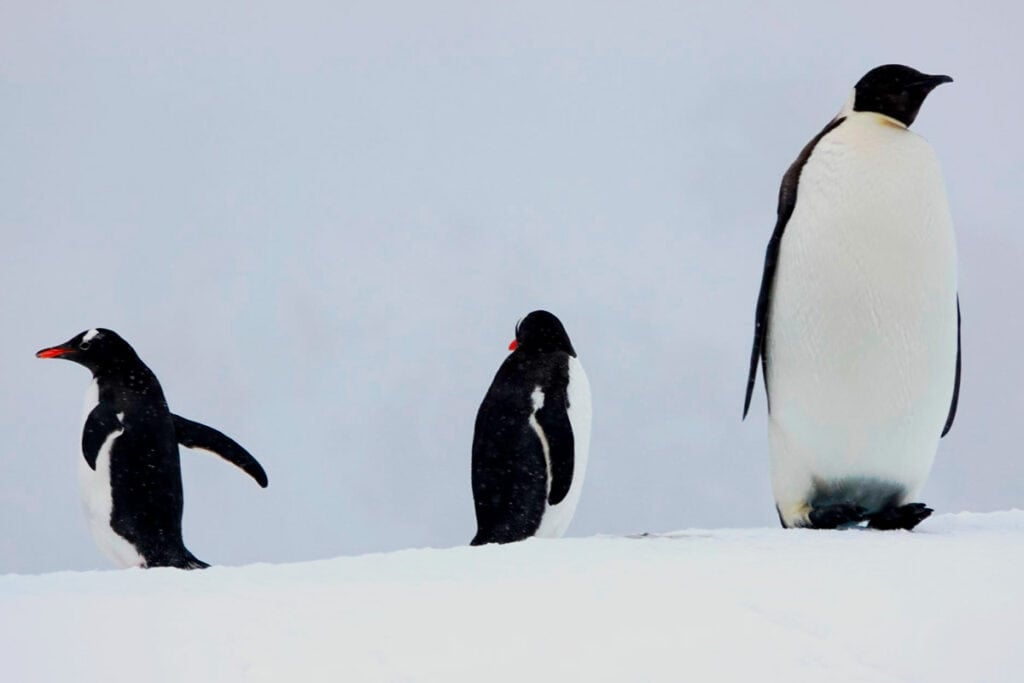
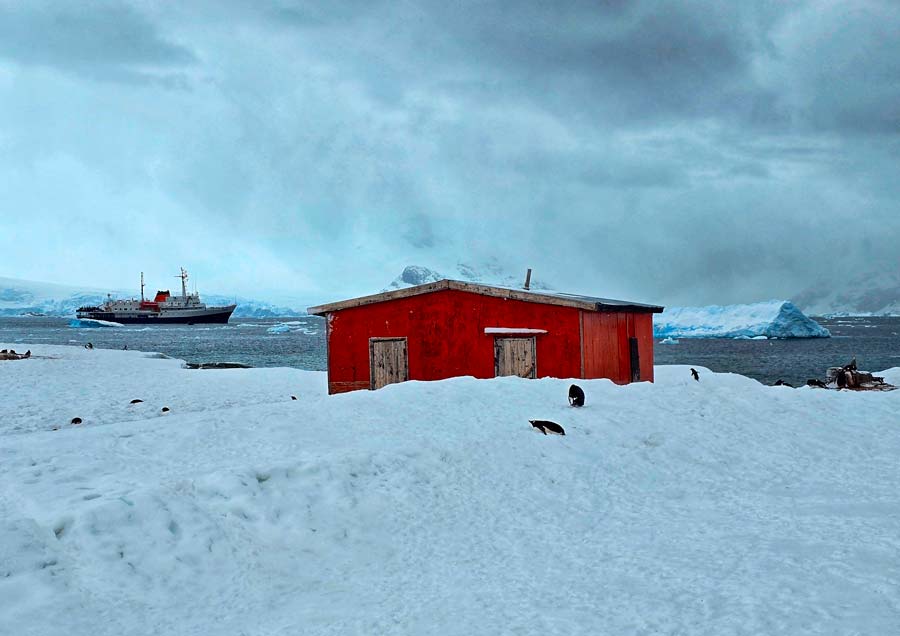
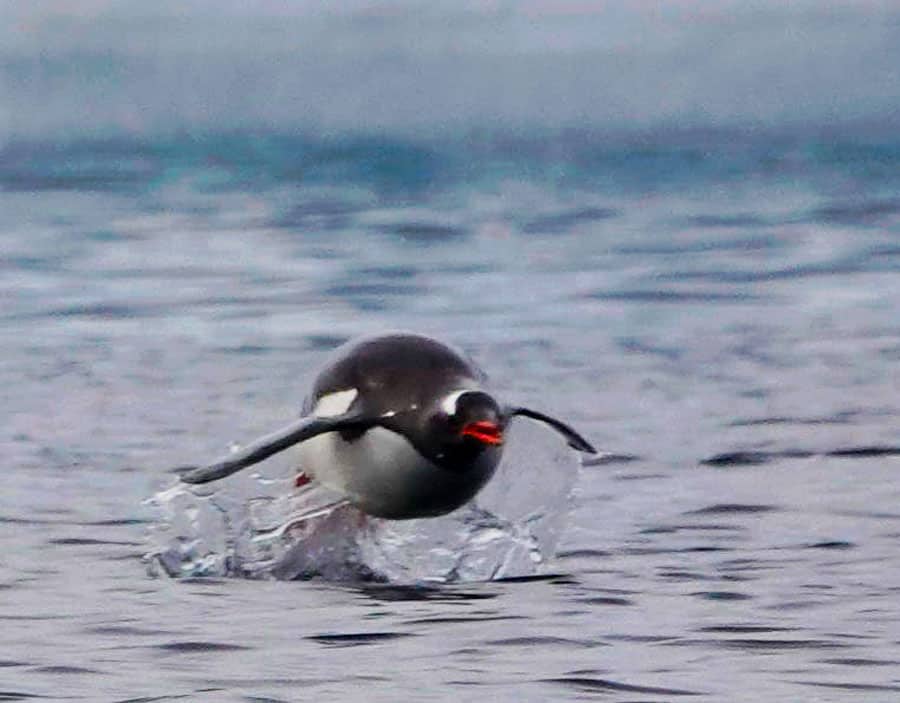
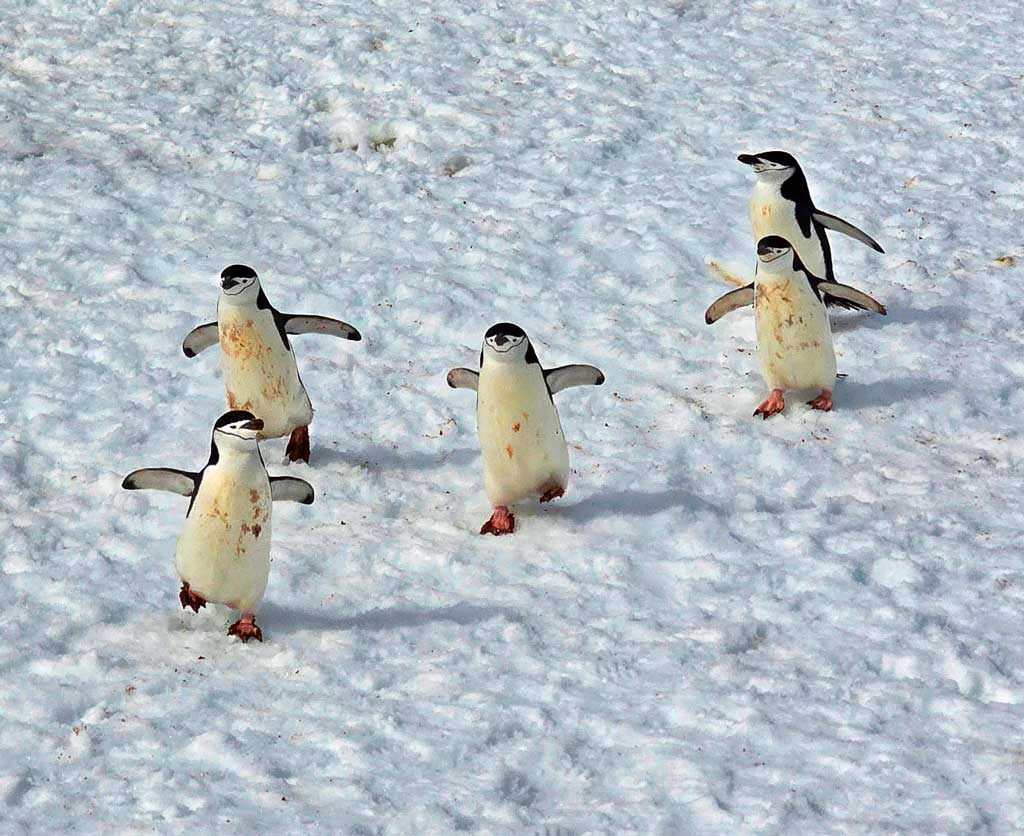
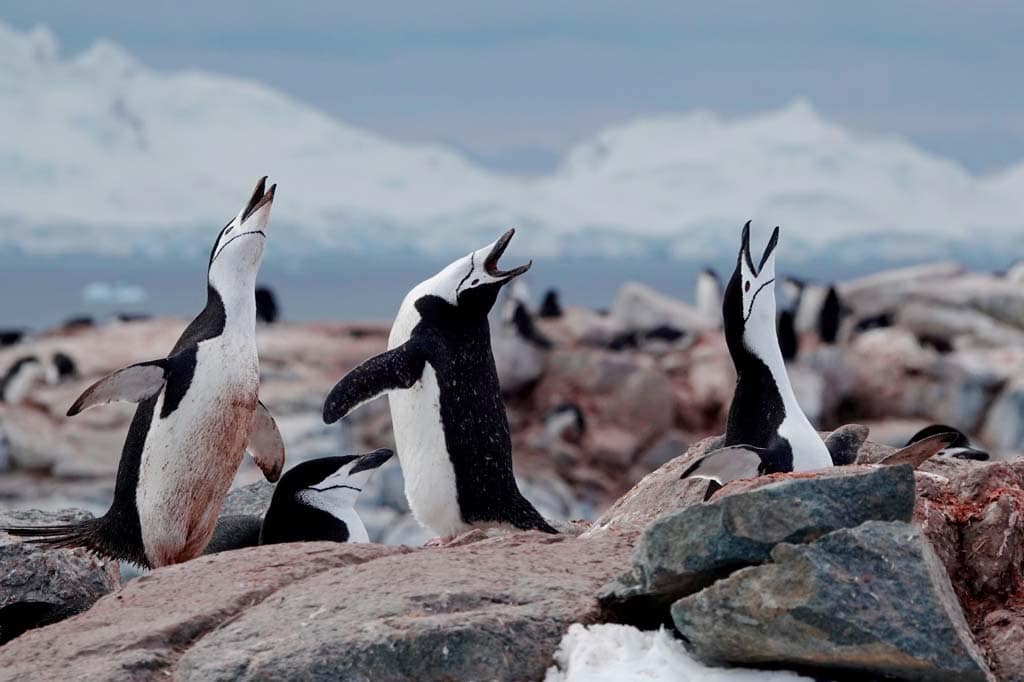
You will almost certainly see penguins and seals and countless seabirds. We were also lucky to see humpback whales (unusual for a November cruise!). We walked by colonies of Gentoo, Adelie, and the adorable Chinstrap penguins, and occasionally, they walked by us. Like everything in Antarctica, nothing is guaranteed… except lots of penguins!

4. Zodiac Adventures
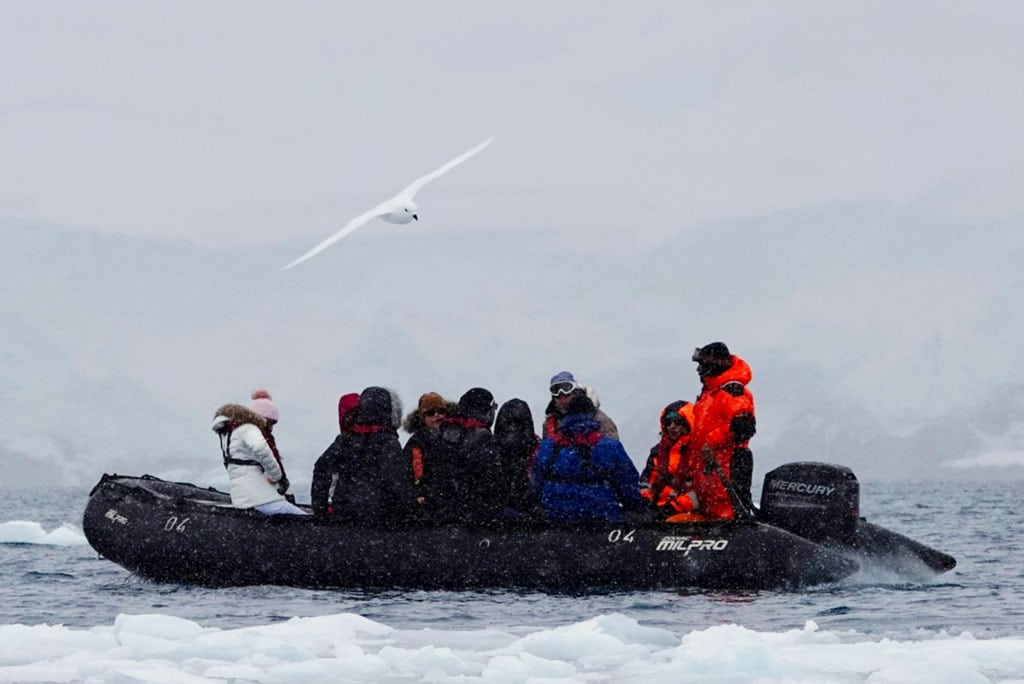
Most cruises include multiple zodiac outings. The zodiacs are small inflatable boats that ferry passengers from the ship to shore or take you on scenic cruises to weave between icebergs.
5. Shore Landing and Stepping Foot on the Continent
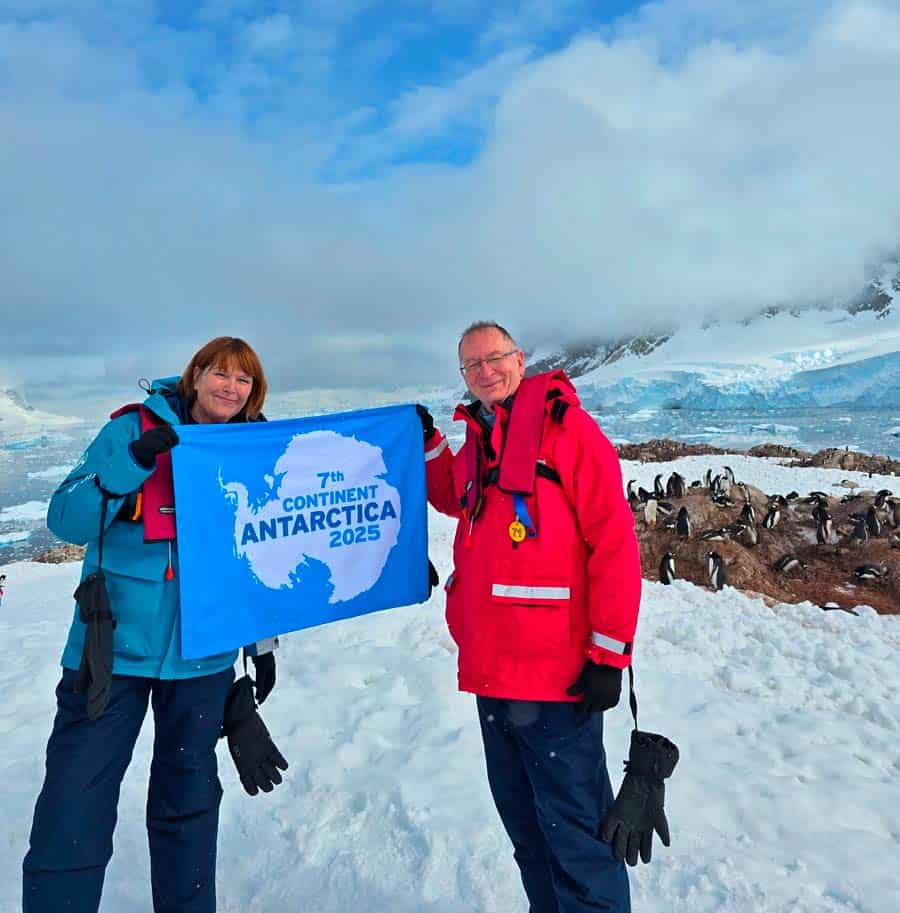
Landing on the Antarctic islands like South Shetland was amazing, but stepping foot on the Peninsula was the real goal; and we did it an incredible four times!
Also, not all cruises make it to the Peninsula, if this is important, you should check your itinerary carefully.
6. Active Exploration
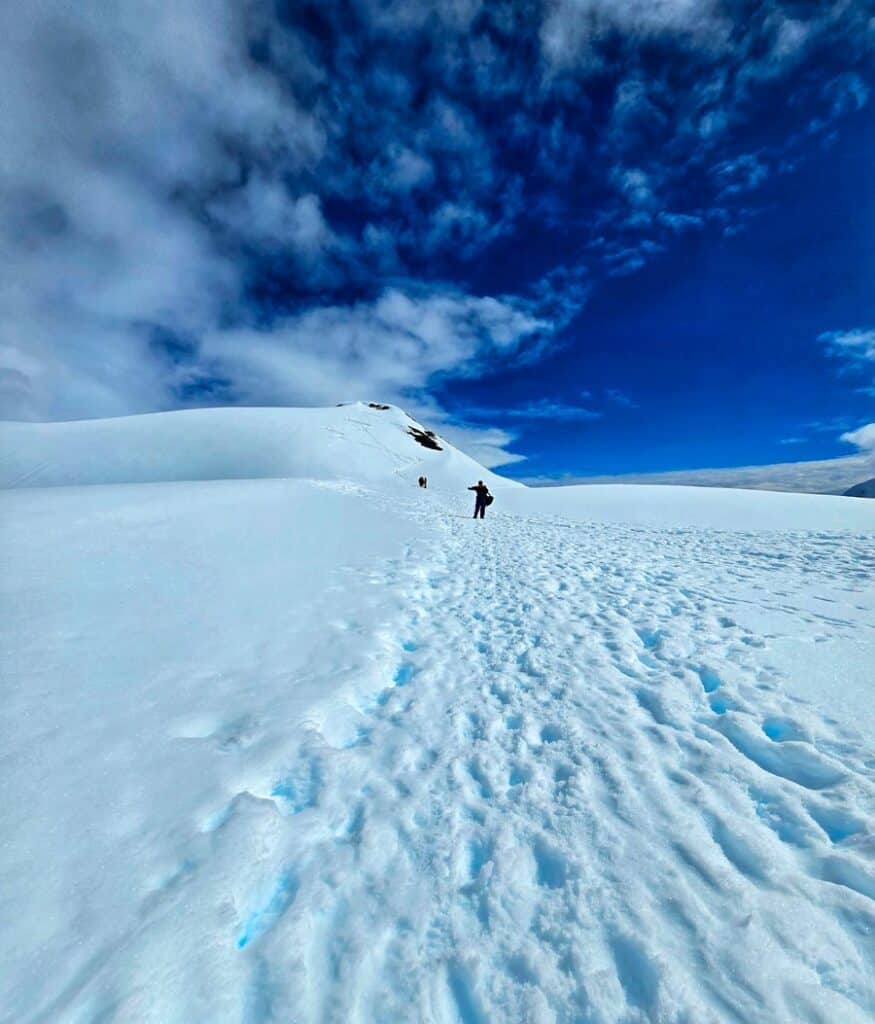
You’ll be in and out of the Zodiacs, landing on rocky beaches, hiking snow-covered paths, and icy trails. There were planned hikes, and I was surprised by the steepness of one and the deep, icy snow we walked through. I really wished I had walking poles and I recommend hiring them in Ushuaia.
Optional Activities vary by ship but can include kayaking, snowshoeing, camping on the continent, or the infamous polar plunge.
7. Ships Vary Widely
From repurposed research vessels like the MV Ushuaia to purpose-built luxury ships, comfort levels vary dramatically. We narrowed our choice down to the Ushuaia and a G Adventures ship.
By coincidence, we knew someone on the G Adventures voyage travelling at the same time, so were able to make direct comparisons. The G Adventures ship seemed to offer a more comfortable cabin experience, they offered kayaking too but I think we did better on the landings.
8. Crossing The Drake Passage
Every trip involves crossing the famously rough seas of the Drake Passage to and from the continent (the only alternative is a fly/cruise option).
Our journey involved two days sailing these seas each way. On the way south, we had rough waves (around 6 metres) and strong winds for about 36 hours. The return was a little calmer. Some folks get the Drake Lake, and others like us have the Drake Shake.
9. Scenery Like Nothing You’ve Seen Before
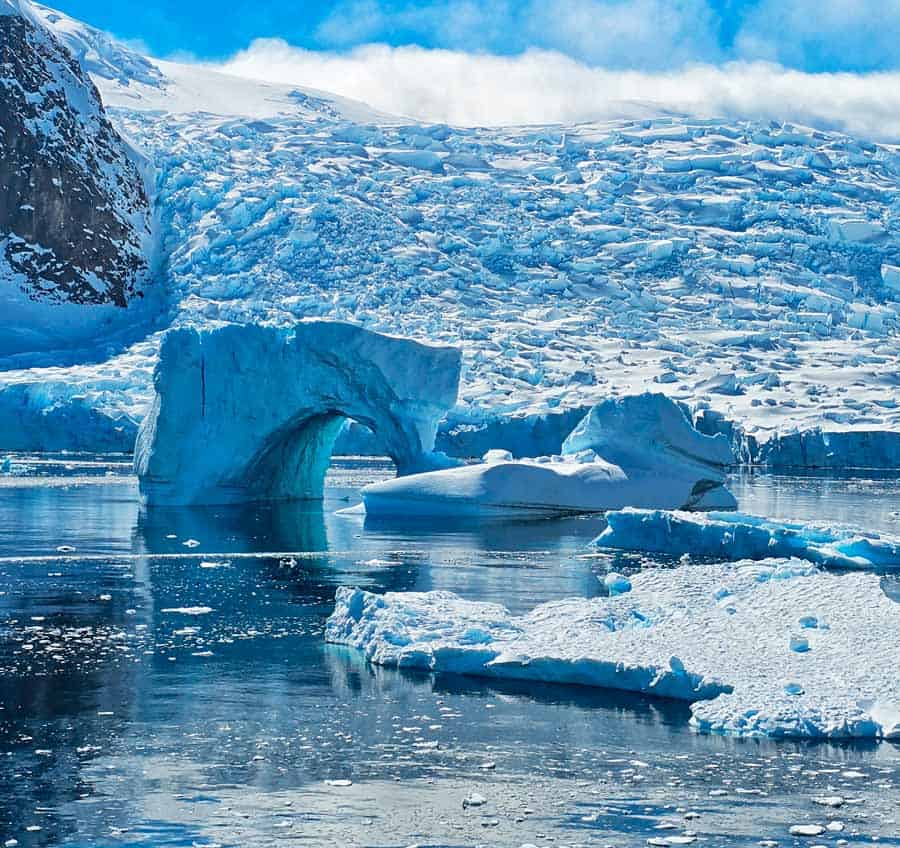
We’ve been to Iceland, Norway, and Finland, but no photo or blog post will prepare you for the scale and ridiculous beauty of Antarctica.
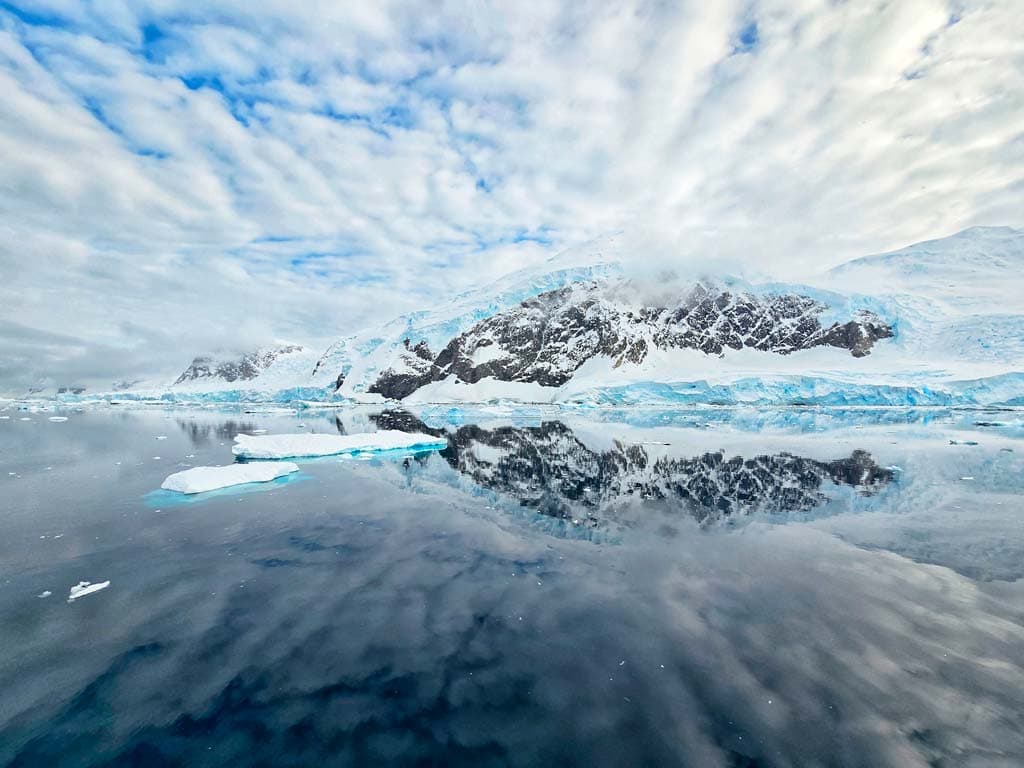
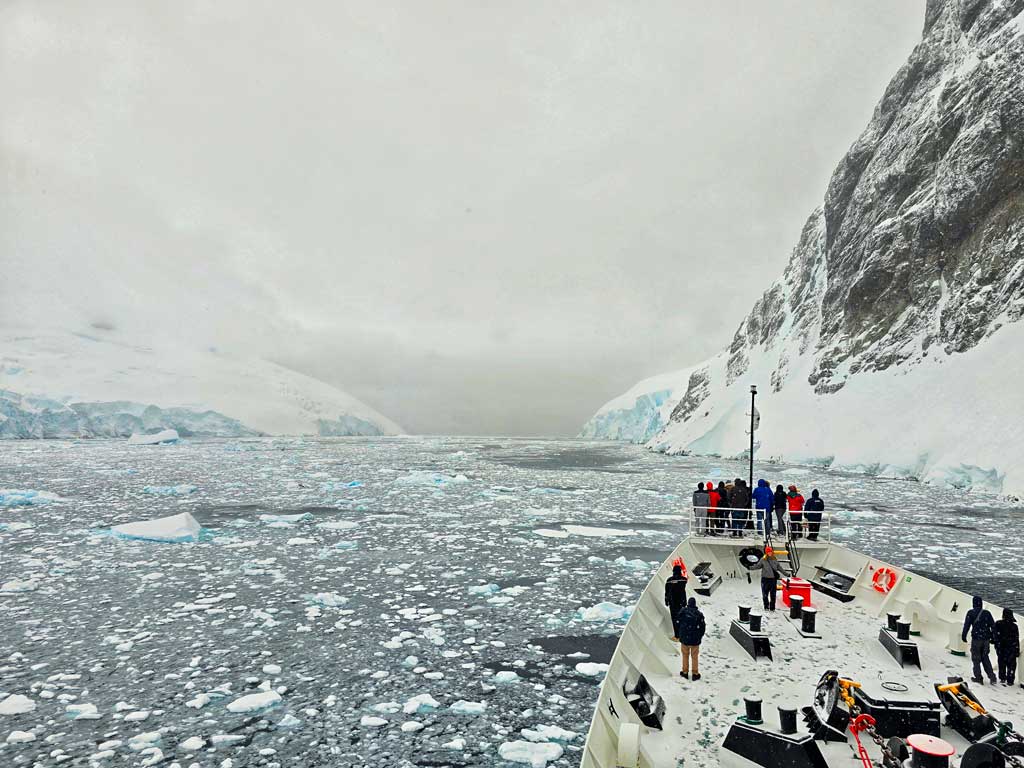
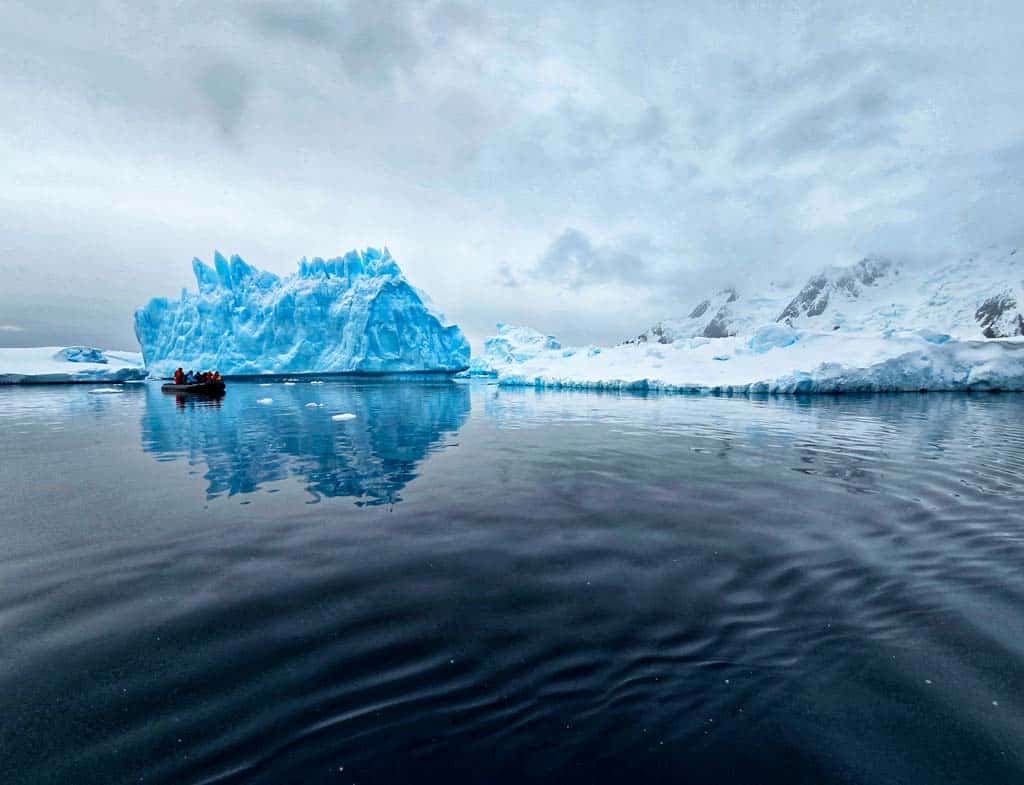
Crossing the Gerlache Strait into the Lemaire Channel, we were afforded simply breathtaking views. After the Drake, these waters were like glass, offering mirror-like reflections of mighty mountains and glaciers. The ship gently nudged sea ice from its path and if it couldn’t get any more cliché, penguins swam in and out of the water as young humpback whales breached around us and played in the wake of the ship.
Nothing will prepare you for this. Nothing.
A Day in the Life on an Antarctica Expedition
We booked a 10-day Classic Antarctica Cruise. We knew we’d spend two days crossing the Drake Passage from Ushuaia, and two days returning. That left us with four full days in Antarctica and every one of them brought something new.
Although no two days were quite the same, they all followed a familiar rhythm. Our wonderful Expedition Leader would wake us each morning with a little burst of music and the words, “Good morning, good morning, dear passengers…”.
You can read our day to day diary of our journey, but here’s what a typical day looked like for us:
We fell into the rhythm of ship life so quickly that, even now as I write this, I still wonder who is in cabin 633 because it genuinely feels like our cabin now.

Wildlife That You Might Encounter
The wildlife you see in Antarctica depends hugely on the time of year and the area you are visiting. We travelled in late November and returned in early December, which was still early in the season. We didn’t expect to see whales, which are more commonly spotted from February onwards.
Likewise, Polar Bears do not live in Antarctica and King and Emperor Penguins rarely travel to the areas we visited; but Antarctica can surprise you!
Penguins
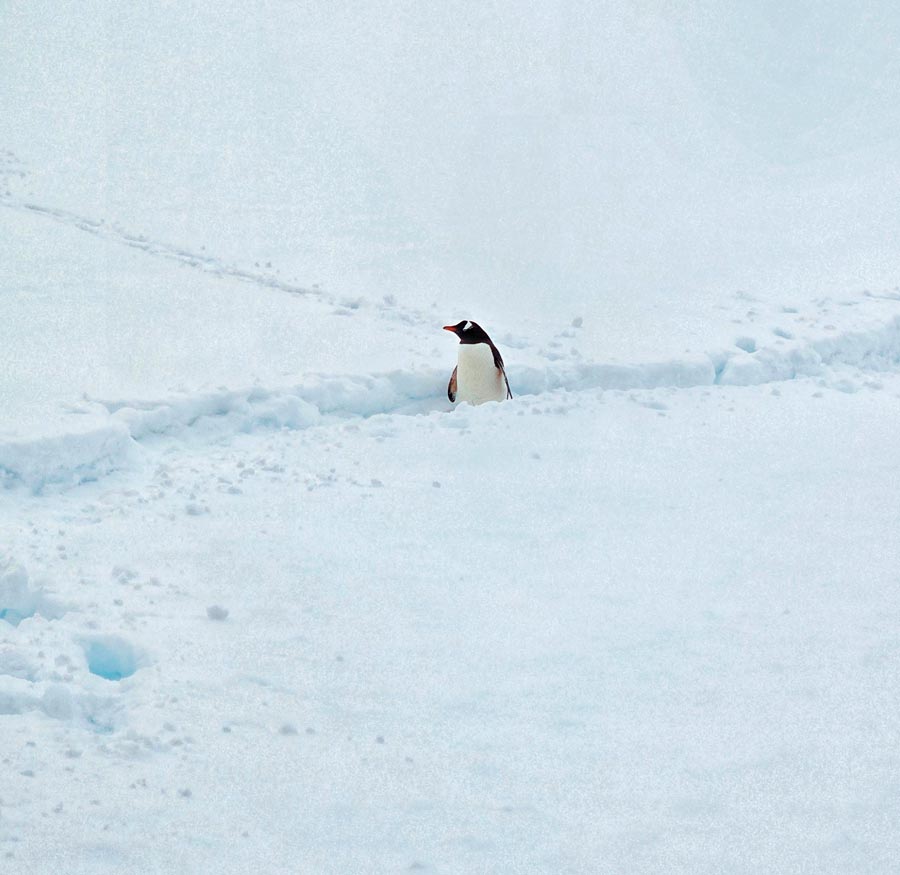
You will see penguins. You’ll hear penguins. And, without question, you’ll smell penguins! On our trip we saw:
Emperors simply do not frequent this region. They live far inland and are usually only accessible via the Ross Sea or specialist expeditions. The chance of seeing one on a Peninsula cruise is extremely rare. But there it was. And we saw him!
Seals
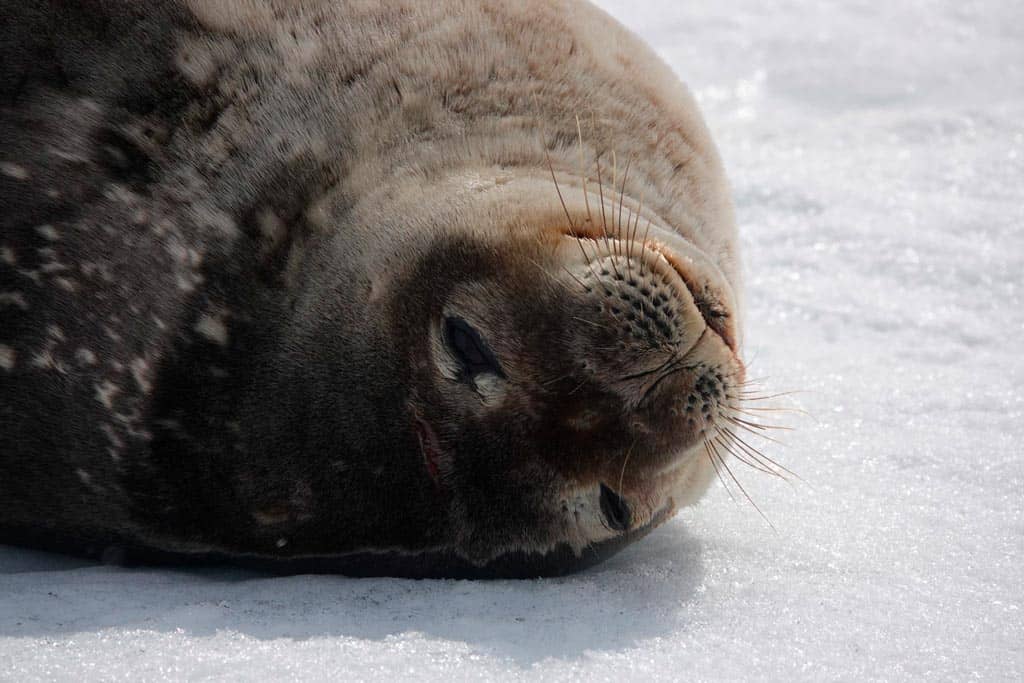
We saw a wonderful mix of seals during our trip, including:
Whales
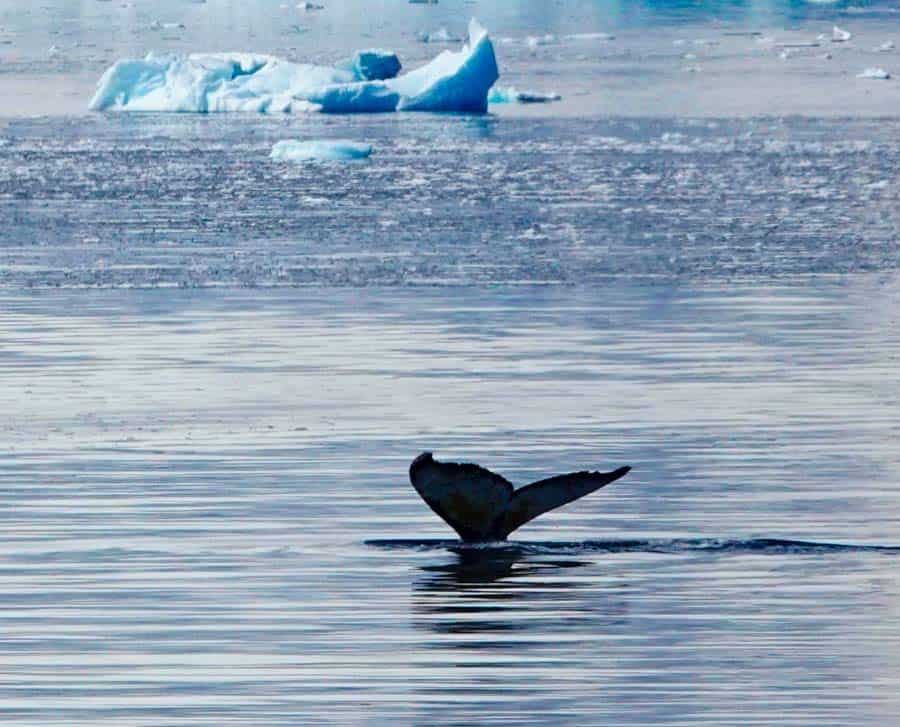
We knew not to expect whales during a November voyage. But the glorious Lemaire Channel delivered not only perfect reflections and stunning scenery, but young humpback whales playing in the wake of the ship.
Depending on the month and your good fortune, you may also see:
Sea Birds
Gerry loves spotting birds, and Antarctica did not disappoint. Crossing the Drake, we had a steady entourage of seabirds following the ship, including:
We had one lecture during the crossing and were able to go out on deck afterwards to put our newfound knowledge to the test. There is something magical about watching an albatross soar above waves as you sail.
Different Antarctica Cruise Lengths, Itineraries, Landings & Costs
Most Antarctica cruises fall into the 8–14 day range, depending on how far south you travel and whether your ship includes the South Shetland Islands, the Antarctic Peninsula, or even South Georgia and the Falkland Islands.
You’ll also see two broad types of Antarctica voyages:
We were always going to opt for an expedition cruise. We wanted to land and we wanted to explore the Peninsula. The rest, for us at least, was dictated by budget and costs do vary considerably, depending on the level of comfort you’re seeking.
A typical classic Peninsula expedition (around 10–12 days) usually includes:
Longer expeditions may add remote islands such as South Georgia or the Falklands, stretching cruises to 18–23+ days. These longer journeys offer extraordinary wildlife viewing and different ecosystems, but you spend longer at sea and they are more costly.
The Classic Antarctic Peninsula Cruise
Typical price: USD $6,000 – 15,000 | Average Duration: 10 -12 days
We opted for a standard 10-day Peninsula route. (read more detail about our cruise in our daily diary) Price played a huge factor in that decision; as much as we’d have loved to explore further, we had a budget and we had to stick to it.
A typical itinerary for this kind of cruise might include:
Of course, nothing is guaranteed as weather and sea ice will determine what happens. What made our cruise slightly unusual is that none of our landings were cancelled.
Shorter Antarctica Expedition Cruises
Typical price: USD $6,000 – 15,000 | Average Duration: 6 -10 days
Some tour companies offer shorter visits, including fly/cruise options which skip one or both Drake Passage crossings. These usually mean:
Longer Premium Expeditions
Typical price: USD $18,000–35,000+ | Average Duration: 18 -23+ days
If time and budget allow, there are extended itineraries that reach the Antarctic Circle and visit other islands such as the Falkland Islands, South Georgia and the Antarctic Circle.
These offer:
Scenic Antarctic Cruises (No Landings)
Typical price: USD $3,500 – 20,000+ | Average Duration: 7– 30+ days
If you want to experience Antarctica’s spectacular landscapes without the physical demands of the Expedition Ship, a scenic cruise can be a wonderful option. These larger ships stay offshore and sail through the dramatic stretches of the Southern Ocean, offering panoramic views of the continent.
Duration and prices vary wildly as there are such a wide range of options but scenic cruises will all offer:
Why Are Antarctica Cruises So Expensive?
Visiting Antarctica is expensive. But when you compare it with other fully inclusive adventures, the cruises are not as out of line as they first appear. An inclusive African safari, for example, can be a similar investment.
You’re not just paying for a hotel bed and meals, you’re also paying for:
An Antarctica cruise is costly because it’s logistically difficult, remote and highly regulated. But the value is in the experience: the landings, the wildlife, the landscapes, and that sense of being somewhere so unique and breathtaking.
And Remember That Nothing Is Guaranteed
This bears repeating because we struggled with the idea when we booked, and it’s why you need excellent travel insurance.
You’re travelling into an unpredictable environment, and things don’t always go to plan. On any voyage you should expect that:
We were incredibly fortunate to do everything. We even had an unexpected landing at Yankee Harbour as we crossed the Drake faster than expected. It’s common to lose at least one or two planned activities. Flexibility is essential, as is trusting the expertise of the expedition team.
Antarctic Peninsula vs Antarctic Circle: What’s the Difference?
The adventurer in me did toy with the idea of reaching the Antarctic Circle. We’d crossed the Arctic Circle when we visited Iceland, so the idea of completing both was tempting. But reaching the equivalent line in Antarctica is not quite so straightforward.
Most cruises visit the Antarctic Peninsula. Even then, nothing is guaranteed and weather and sea ice will determine your actual itinerary.
An Antarctic Circle itinerary pushes further south, crossing the invisible line at 66°33′. But those voyages are:
Crossing the line is also never guaranteed. Thick ice can stop a ship in its tracks, no matter how determined the crew. For most of us (ourselves included) simply stepping foot on this glorious continent was enough. More than enough.
Who Is IAATO And Why Are Antarctic Cruises So Strict?
Is it ethical to visit Antarctica? It’s a valid question, and one Gerry and I have talked about a great deal. And not just about Antarctica, but travel in general.
Before we sailed, we had no real idea how tightly controlled Antarctic tourism was. Antarctica is fragile, and the entire visitor experience is governed by IAATO, the International Association of Antarctica Tour Operators. Could it go further? Yes, I believe so, and I suspect it will in time.
Every responsible cruise company follows IAATO rules, and as passengers, we quickly understood why they matter. On our ship, at least, the rules were fiercely upheld. On our very first landing, two passengers weren’t allowed to join us because they chose not to attend the mandatory IAATO briefing.
Here’s what IAATO rules mean in real terms:
a. Only 100 people can Land
This is one of the most important rules and something to consider when choosing your cruise. If your ship carries 500 passengers, only a fraction can go ashore at once. Being able to land every time was fabulous for us.
b. Strict wildlife distances
Just as in the Galapagos Islands, there are clear rules about wildlife interactions. Partly for safety and partly for protection.
Our guides kept a close eye during every landing. It never felt intrusive, more a gentle nudge if needed.
c. Biosecurity checks and Boot Washing
Before landing, we were advised to inspect clothing and empty pockets for seeds, dirt, sand, or anything that could be introduced as a foreign object to Antarctica.
Everyone wore the ship-issued boots. Every day, before and after a landing or a Zodiac cruise, you step into a tray of disinfectant, scrub the soles and bottoms of the boots with the fixed brushes and step into a second tray for a rinse.
The message was clear. Only boots (or disinfected poles) were to touch the ground in Antarctica. No putting things down, no sitting or kneeling either. The aim is to prevent any kind of cross-contamination between us, the sites we visit and the animals we observed.
d. Absolutely nothing left behind
Nothing is taken with you. No food, No drinks, No stray items in your pockets. Equally no souvenirs to be taken, no pebble collecting or Antarctica sand… and no sneaking a cute little Chinstrap Penguin in your bag either!
Antarctica was to remain exactly as we found it. Take photos and leave footprints.
e. The crew have the last word
Safety is paramount as is protection of this glorious land. If a site is overcrowded, wildlife is stressed, or ice conditions aren’t safe, IAATO guidelines and the decision of the crew can mean your itinerary changes.
It might be disappointing at the time, but it’s always the right decision.
f. Why IAATO Matters
Far from being restrictive, these rules made our experience more meaningful. We felt part of something bigger and we felt the weight of that shared responsibility to protect one of the last great wilderness areas on our planet.
The rules educated us; not only for this journey but for those we take after too.
Some will argue the rules still don’t go far enough. Perhaps that’s true, and perhaps things will continue to evolve. But for us, the glory and majesty of Antarctica took our breath away and touched us in a way we never expected.
FAQs About Antarctica Cruises
There were so many questions when we booked. Here are a few important ones :
Should you book early or wait for a last-minute deal?
Both can work.
We booked early because we knew exactly when we’d be in Patagonia, and we wanted a specific ship and itinerary. Talking to fellow passengers, it seemed we’d actually secured a very good price.
Last-minute deals do exist, especially in Ushuaia, but they’re far less common than they used to be. One lady on our voyage arrived hoping for a bargain and ended up paying considerably more for what was left. If you have fixed dates or a particular ship in mind, booking early is the safer bet.
What insurance do you need?
Your cruise company will tell you exactly what they require, but in general you’ll need:
We had to show proof of insurance before our booking was finalised. Be sure to declare any pre-existing medical conditions.
Are there hidden costs you need to factor in?
A few, yes. Typical extras include:
Nothing here is a shock, but they’re worth budgeting for.
Was Our Antarctica Cruise Worth It?
As we’ve said already — a million times yes.
We know we were lucky. We witnessed things that weren’t typical, and we certainly enjoyed unusually good weather and perfect landings. But even if we’d missed some of those moments, Antarctica would still have been one of the most powerful experiences of my life.
We chose a smaller ship over the larger, scenic cruises and if we were to do it again, we wouldn’t change a thing. It was sometimes chaotic, occasionally cold and wet, perhaps unpredictable and Drake’s Passage was certainly interesting! And yet it was magnificent.
If Antarctica is tugging at your heart, I’d say listen. Some places change you more than you expect.
Would You Like More About Antarctica?
If you’d like to read more from this journey, I have other posts about our incredible 10 day journey to Antarctica and beyond of our journey through South America.
Don’t Forget Travel Insurance
Whenever you travel, you should have great travel and medical insurance. None of us expect anything bad to happen, but in the event of an incident, you want to be sure that your insurance will cover you.
I’ve ended up in hospital in Peru, Indonesia, Portugal, Japan and Ireland. Every time my insurance took care of everything. I would never leave home without full and comprehensive insurance.
MondialCare : Due to increasing limitations, mainly due to age, we have recently switched to MondialCare for our travel insurance. We have taken an annual policy at a very reasonable cost that includes medical and other travel cover. There are no trip length limits and the upper age for cover is 84. For Camino walkers and travel in Europe they have a low cost Schengen policy with no age limit.
TrueTraveller : We have used this policy and were very happy with the cover, especially considering our ages and pre-existing conditions.
Globelink: We have used and recommended Globelink for years and not heard of any issues. They are a great choice for European and UK Residents.
Genki : This is an EU based company offering long term policies for nomads and travellers. Their monthly rates are very competitive for longer trips too.
Try Our Trip Planning Tools
Start here to find the best accommodation
Start here to find flights for your adventure
Start here to find the best sightseeing tours

Hey I’m Colleen. I’m married to Gerry, we’ve three fabulous kids and been living in France for almost two decades. I fell in love with Spain in the 1980s and I’ve walked 1000s of miles along the Camino de Santiago. Now we’re exploring and walking the world and I can’t wait to share what we’ve learned!