
Home > Destinations > Antarctica> Packing List for Antarctica
Packing List for Antarctica: What We Used (and Didn’t!)
Some of my links may be affiliate links. If you make a purchase, I might earn a small commission at no cost to you. See our Privacy Policy for details. And this post was crafted with care and occasional typos by Colleen (and not AI)
We travel a lot and we travel light. When we first started thinking about our packing list for Antarctica, our usual confidence faltered a little. It’s cold down there so surely we’d need specialist gear?
Thankfully, the short answer is no. You don’t need to buy a ton of specialist clothing for an Antarctica cruise. We hired the heavy-duty items and after a lot of research, relied mostly on our usual outdoor hiking gear; and it worked a treat.
If you’re stressing over what to take, our list will help. We travelled on a classic ten day Antarctica cruise in November and, while we did experience some very cold temperatures, our kit proved to be more than up to the job. Below you’ll find what we used, what we didn’t, what we wished we had and what you can hire when you arrive.

What To Wear In Antarctica
This was perhaps the area that caused us most concern. We travel with a kit that has to be multipurpose and, as we’d started in Lima and spent three months exploring South America, we didn’t want to carry around a suitcase just for our cruise. Thankfully, we didn’t need to.
We booked an informal cruise for our journey to Antarctica. If your trip is a little more luxurious, you may want one or two smarter layers for special dinners, but for us comfort was the priority and it was absolutely the right choice.
Despite our initial worries, our clothing worked extremely well, and there’s nothing here I’d change.

Base And Mid Layers: Merino Wins Every Time
Merino was the real hero of our packing list. We already owned merino t-shirts and leggings, as we use them regularly for hiking, and they turned out to be perfect for Antarctica too. Every day we wore merino layers, simply adjusting the number depending on the weather and what we were doing.
Merino kept us warm without overheating, even when we were moving around on landings or standing for long periods watching wildlife. It also copes brilliantly with being worn repeatedly, dries quickly, and manages moisture far better than everyday synthetic fabrics. I also think it looks smart enough for casual travel days, which is a real bonus on a long trip.
Top Tip: Merino works in both warm and cold climates. We tend to buy around 150-180 GMS. Any lighter and the fabric can feel a little delicate; any heavier and you’ll feel noticeably warmer.
At night, I wore merino leggings and a vest for sleeping. I do this on the Camino de Santiago too, and it kept me warm and comfortable without feeling bulky
This is what I packed:
Some days we wore three or four layers; other days, just two. It was more than enough for the duration of the cruise and worked well for our onward travel. Importantly we’ll continue to use this again and again, so it didn’t feel like an expensive, single-trip purchase.
Again, we travel light and this was enough for us but if you are checking a bag you might like to add one or two extra items for casual wear onboard ship.
Top Tip: Moisture-wicking really matters. You might work up a sweat walking ashore, then find yourself standing still twenty minutes later watching wildlife or waiting for a Zodiac. If your clothes hold onto body moisture, you’ll chill quickly. Breathable layers win every time.
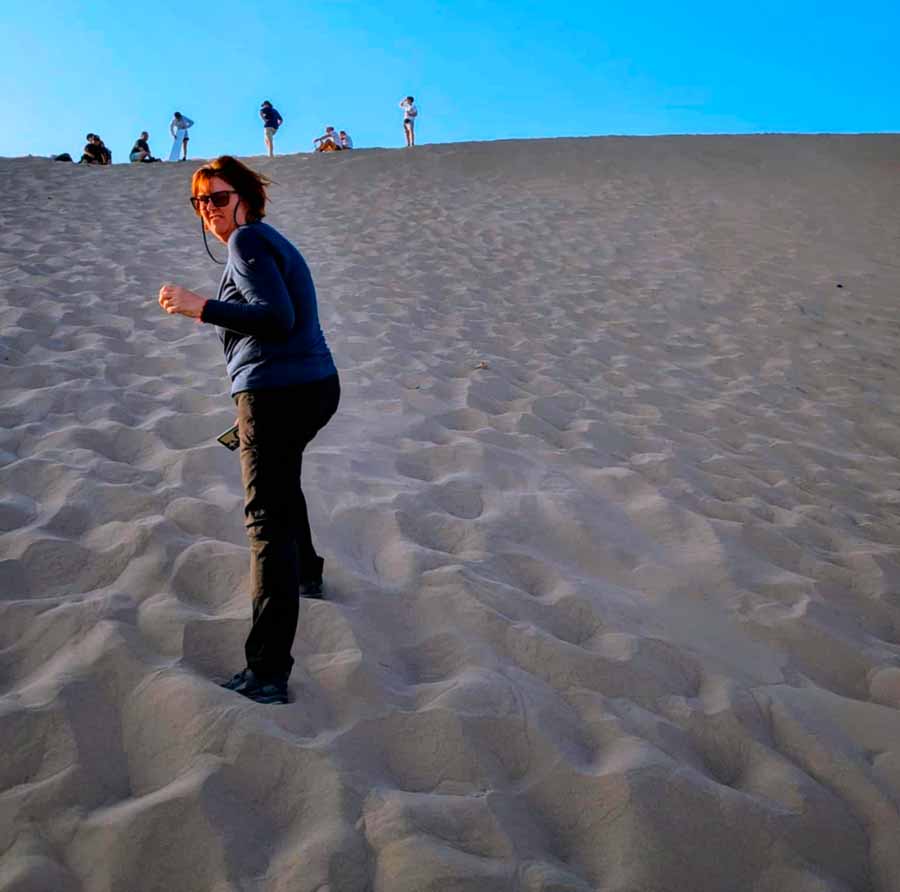
Outer Layers and Waterproofs: You Can Hire On Arrival
For outer layers, we relied on our usual hiking coats paired with specialist expedition gear that we collected in Ushuaia. Do check with your travel agent or cruise company before buying or hiring anything. On our trip, the heavy-duty gear came as a free loan from our travel agent, and some cruises include it as standard.
My coat was actually a Seabourn and Gerry’s a GAdventures; some guests assumed we were regular visitors to Antarctica!
We collected the gear the day before departure and returned it once we were back on land, which was very straightforward. You will absolutely need heavier expedition gear, including:
However, unless you already own this type of kit and know you’ll use it again, I wouldn’t recommend buying it. There were a couple of skiers on our cruise who already had suitable gear, but for most people, hiring makes far more sense.
There are shops in Ushuaia that hire expedition clothing, and most travel agents will recommend a reliable supplier. We were able to try on several options before choosing, which was really helpful. Make sure jackets allow room for extra base layers and that trousers give you plenty of freedom to move.
The hired gear is designed for environments like Antarctica; it was robust, warm, and ideal for wet landings and Zodiac trips. Again, unless you know this is something you’ll use again, hiring or borrowing saves both money and the hassle of carrying bulky specialist kit from home.
There are a couple of outer layers I do recommend having as part of your own kit:

Head, Neck & Face Protection
This is an area where small items really do make a big difference. Once again, layering and comfort matter more than bulk. It’s surprisingly easy to overheat, so breathable fabrics are key.
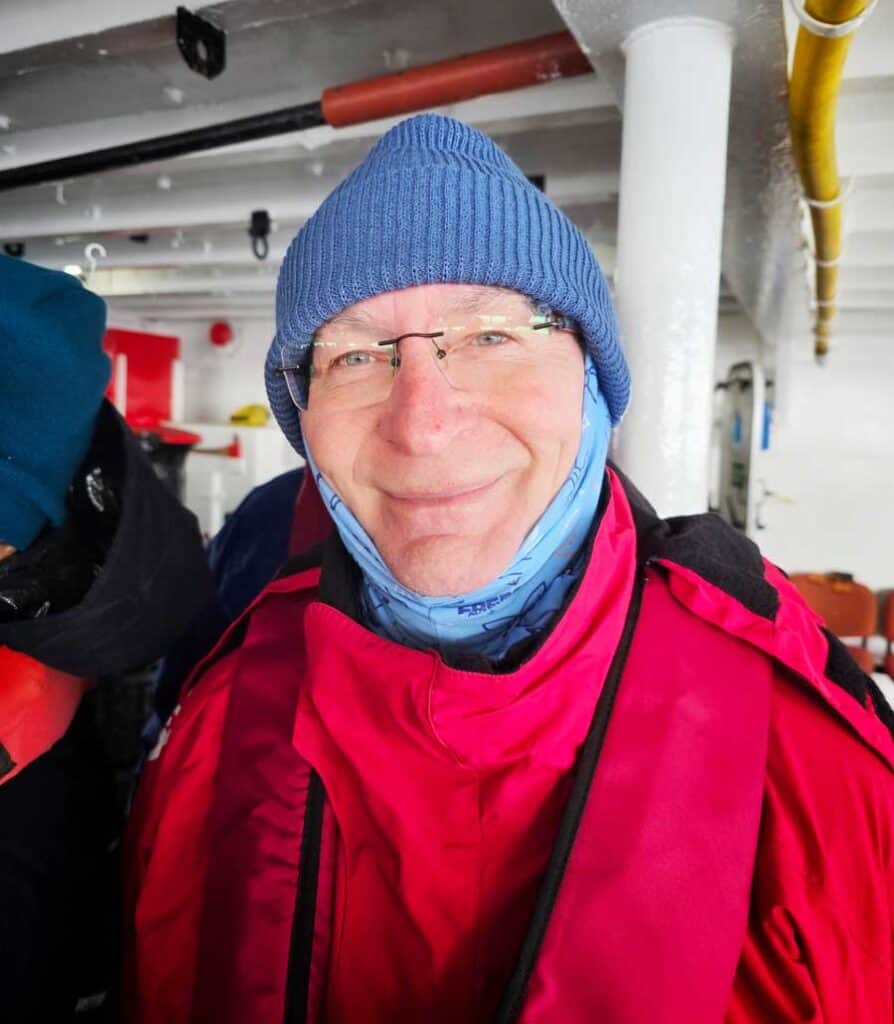
What we wish we’d had: We really wish we’d packed a balaclava. A few people had ski-style versions, which fitted better than buffs alone, helped stop glasses from fogging up, and offered excellent protection from the wind.
Hands & Gloves: What You Really Need
This was one area where we feel our kit needed a bit of work. It wasn’t so much that our gloves didn’t keep us warm, they did. But they proved impractical at times. I will add that I get cold hands and feet even on a sunny day, so finding a workable solution was important for me.
We took our own liner gloves and lightweight thermal hiking gloves. In Ushuaia, our travel agent also loaned us specialist waterproof cold-weather gloves.
The Glove System That Worked
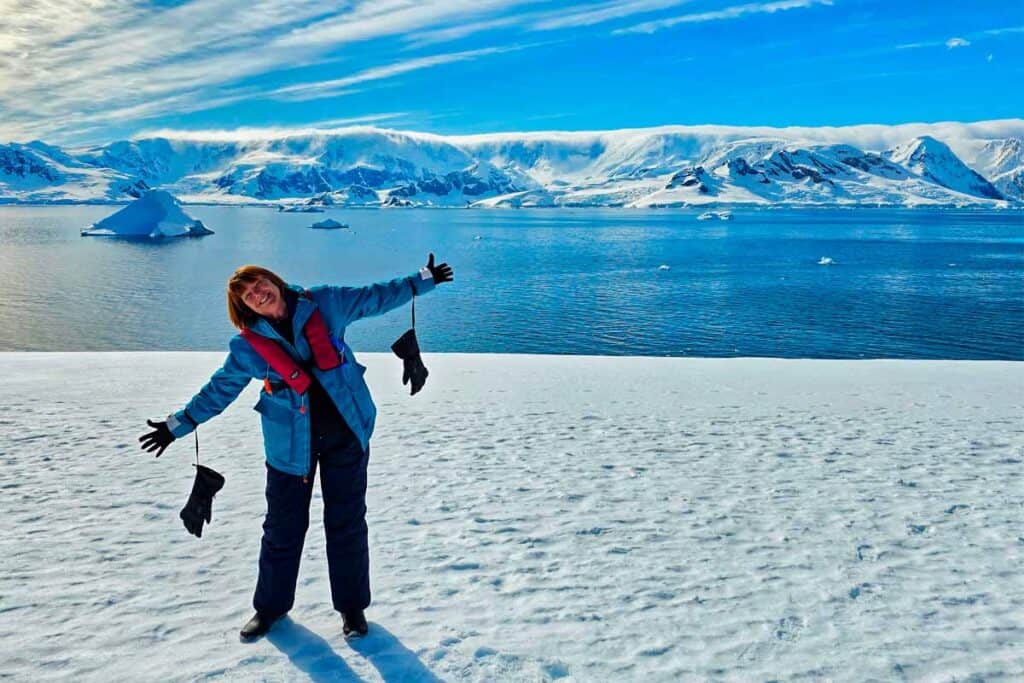
First of all, we didn’t need three different pairs. The liner gloves combined with the hired waterproof gloves worked well for warmth and the hired gloves had elasticated wrist straps, which were invaluable.
Being able to take gloves off briefly without worrying about them dropping onto the ground, or worse, into the sea, was important. I felt a bit like a child with gloves on strings, but if, like me, you plan on taking photos, those wrist straps are incredibly useful.
What Didn’t Work So Well
I take a lot of photos, and this is where things became difficult. The heavy-duty waterproof gloves simply didn’t work with a smartphone, and I suspect they’d be just as awkward to use with a camera.
On our first landing, I tried wearing a liner and waterproof glove on one hand and just a liner on my camera hand. But even that didn’t work particularly well and in the end I had to remove my gloves on one hand entirely to get the phone to respond.
That hand was freezing, but I was prepared to make the sacrifice for the photos! However, this wasn’t a long-term solution. That evening I took rather drastic action and cut a small hole in the finger and thumb of one liner glove. Crude, perhaps but it worked perfectly.
You can do the same, or better still, check and triple-check that you can operate your phone or camera properly while wearing your gloves before you travel.
Top Tip : We have read that the touch screen pads on the fingers can be less reliable in very cold weather so this is worth investigating. Or make sure you test yours on a cold day!
A Couple Of Quick Tips:
Some people also carried disposable hand warmers, but we never felt the need for them. A good pair of lightweight thermal liner gloves was far more useful, and it saved both packing space and cost.
Keeping Your Feet Warm In Antarctica
If I tell you that I live in south-west France and still wear bed socks in summer, you’ll appreciate just how much I value warm feet. On our first landing, apart from one freezing hand, my toes were super cold and I knew I needed a better system.
Socks for Warm Feet
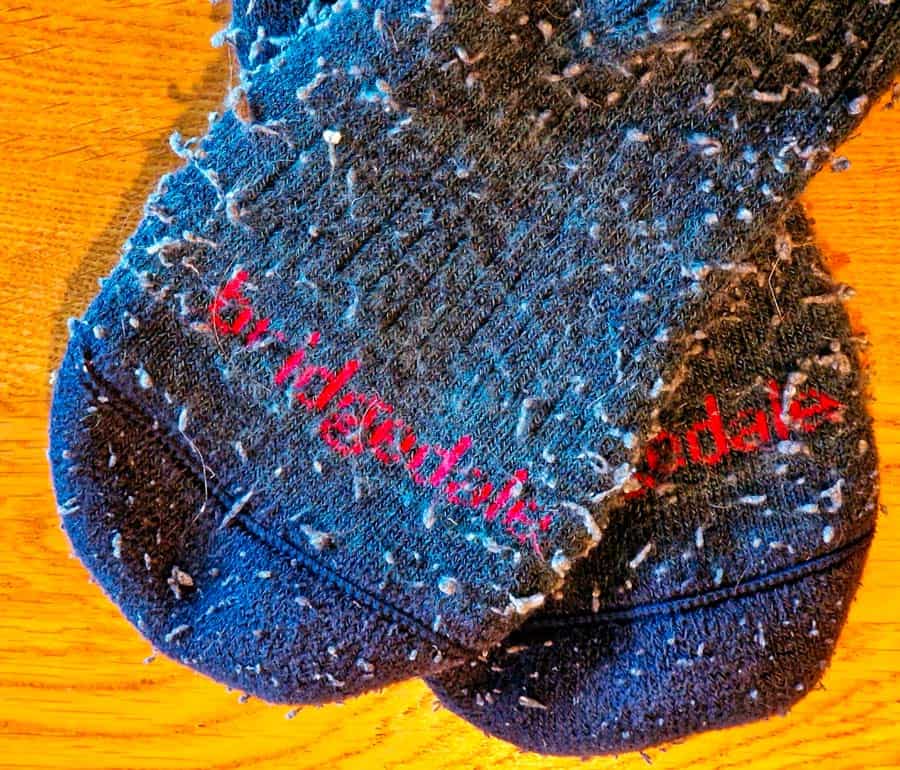
Thankfully, we picked up a brilliant tip from a fellow passenger, which made a huge difference. and luckily, I’d also bought a cheap pair of wool socks in Ushuaia to use as bed socks, and together this helped me create the perfect foot-warming system.
Top tip: This layering system does increase your shoe size, so make sure your boots allow enough room. That said, I cannot tell you how warm my toes were once I adopted this system.
Ship Shoes & Waterproof Boots
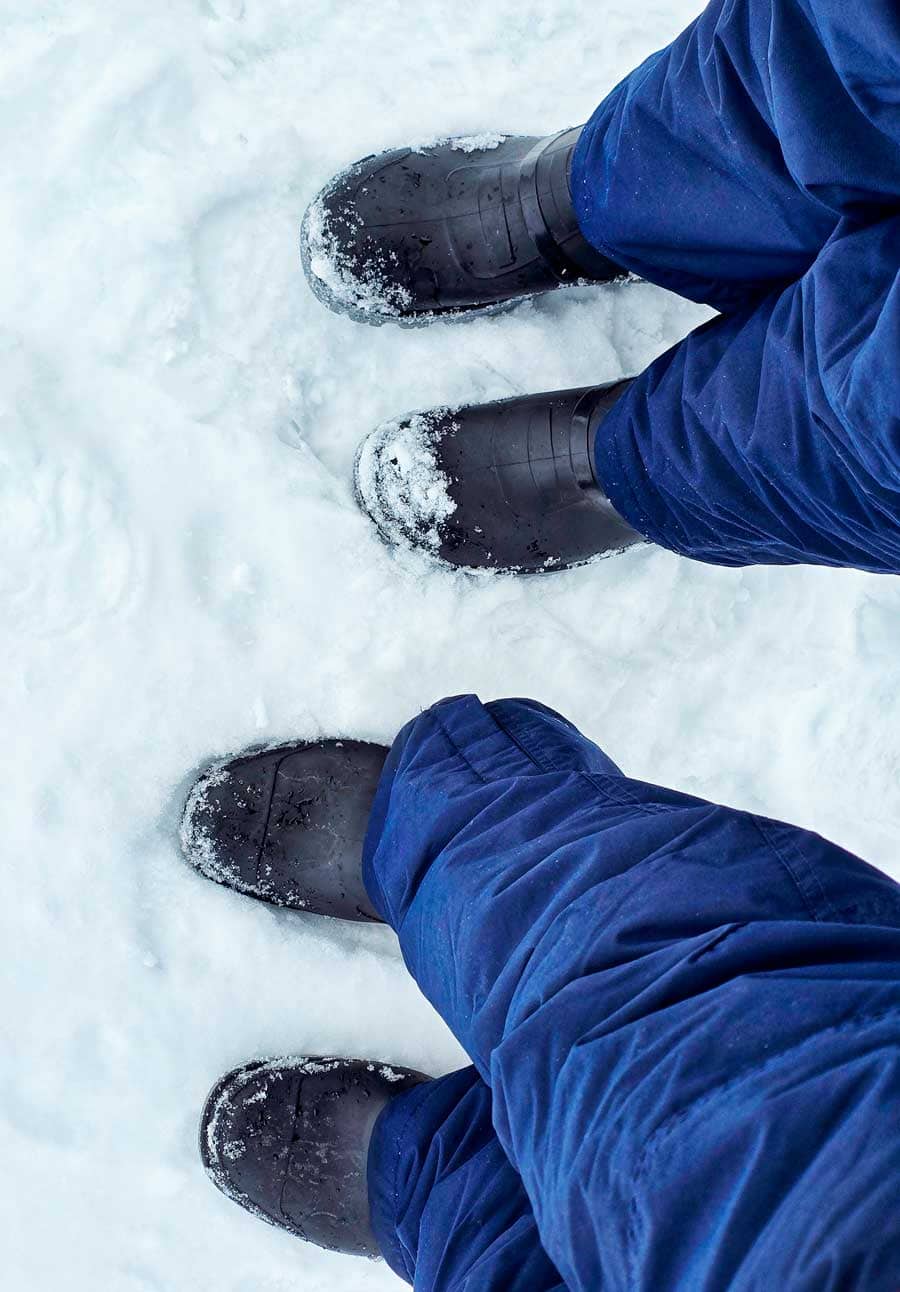
This was another area where we worried needlessly. The short answer is: you don’t need to bring boots as your ship will provide them.
It’s worth noting too IAATO regulations require only approved boots to be worn ashore in Antarctica. On our ship, the boots were washed before and after every landing and at the end of the cruise they were thoroughly jet-washed before being returned.
As we were travelling before and after the cruise, we simply took our usual travel shoes.
Gerry packed:
I packed:
Hiking Poles: Yes Or No?
We usually travel with carry-on luggage and for the most part you can’t take hiking poles on a plane. I didn’t bring mine but as we were travelling on afterwards to hike in Patagonia, I really wish I’d bought a pair and taken them along.
I’d read in several places that hiking poles aren’t needed in Antarctica, but in my experience this was not good advice. If you can hire a pair locally, or if you’re already travelling with checked luggage, I’d strongly consider bringing them; check the rules for bringing hiking poles on a plane. There were many times during landings that I regretted not having mine.
Don’t Forget the Snow Tips
Many of the posts I read mentioned that poles simply sank into the snow and weren’t very useful. My guess is that those walkers were using standard hiking tips rather than proper snow baskets.
We walked on several of our landings. In places, your feet do sink into deeper snow, but almost every walk involved going uphill and of course, a downhill back. Some of the descents were a little steep in places and the snow and ice could be slippery.
It was never dangerous but this is where poles would have been invaluable. Not for speed, but for balance and a little confidence on the way down.
A Bag For Going Ashore
Every day you’ll step into a Zodiac and either head out for a cruise or go ashore for a landing. You’ll want to carry a few essentials with you and you may also need somewhere to stow layers if you get too warm.
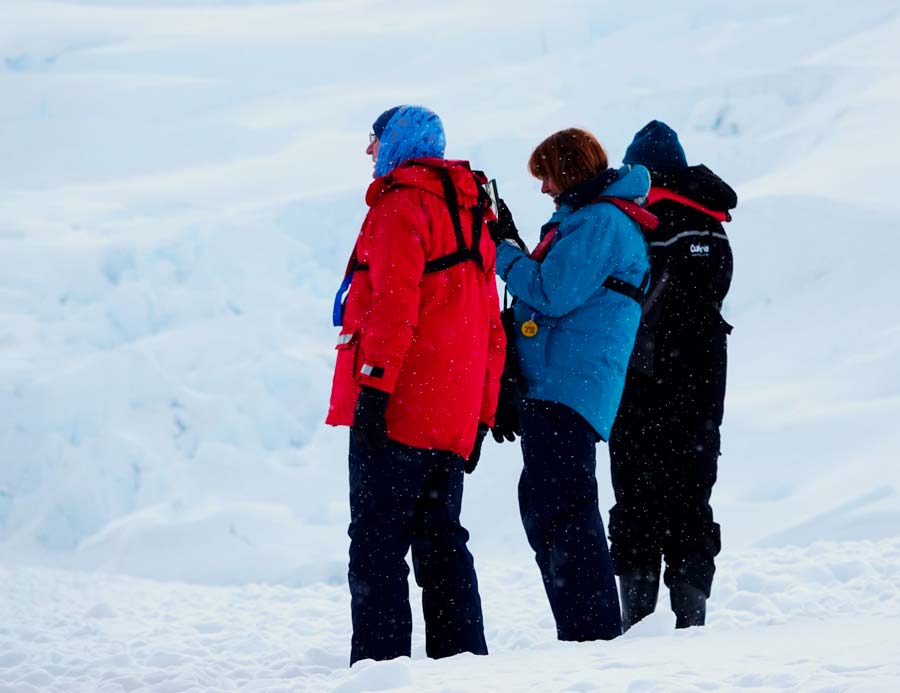
IAATO rules state that nothing should touch the ground in Antarctica, which means you can’t put bags or belongings on the ground while you take photos or adjust clothing. Many people carried waterproof rucksacks, but these sit on your back and aren’t easy to access once you’re zipped into layers.
Instead, I used my over-the-shoulder hiking bag, and it was ideal for quick to access, easy to manage in a Zodiac, and far less fiddly than a rucksack. The only downside was that mine could have been slightly bigger.
- Waterproof cross-body bag: If I were buying again, I’d choose a waterproof cross-body bag. They’re large enough to carry everything you need, easy to reach, and sit securely at your side rather than on your back. They also come in a range of sizes and are useful well beyond Antarctica. I did some digging and found this brand and I’ve already added one to my Christmas list!
Keeping The Small Stuff Safe
You’re going to Antarctica and you’re going to take a lot of photos, and your phone or camera will rarely leave your hands. Zodiac rides and even just hiking during the landings, can be bumpy; the crew told us that on almost every trip, someone drops something.
There are two problems with that:
Before you leave home, treat yourself to a few simple attachments. They’ll make life easier and save you the pain of losing something precious!
If you’re taking a camera to Antarctica, I can’t recommend this strap highly enough. It’s more comfortable, more secure, and far easier to manage when you’re layered up.
I’ve tried lots of different chains and retainers over the years, but many lose their grip. The ones I use now haven’t let me down so far!
A Few More Cabin Essentials and Ideas
I’ve tried to keep this list as small as possible, but when writing this post, we did a little brainstorming around items that might make life easier on board. If you have the space, it’s worth having a look and seeing if any of these might work for you.
Tech, Chargers & Entertainment
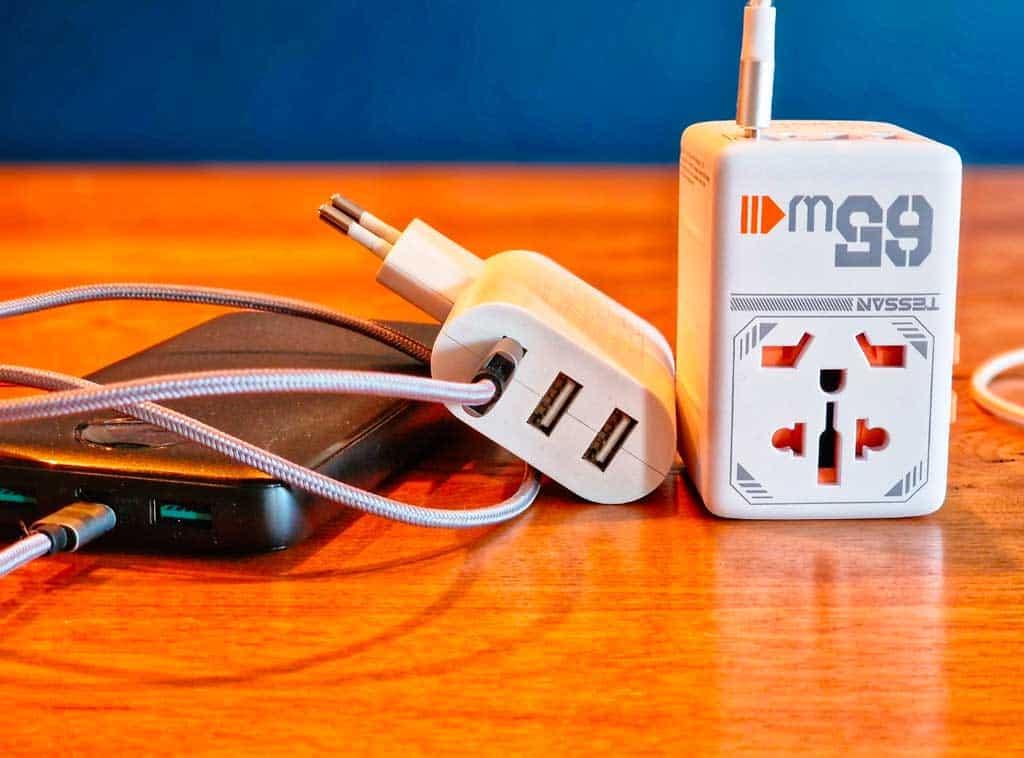
Everyone travels with tech these days, but chargers and cables can quickly become heavy and cumbersome. We’ve spent a long time refining a multi-purpose kit, and now don’t leave home without:
Top Tip: We were surprised that we have access to Starlink onboard. If you have the same, pay for a package much larger than you imagine; especially if you plan to take a download a lot of photos!
Health, Comfort & Sun Protection
As mentioned earlier, keep digital records of all medical prescriptions and documents, including glasses. And of course, make sure you carry enough essential medication in its original packaging for the full duration of your trip.
I’d also recommend:

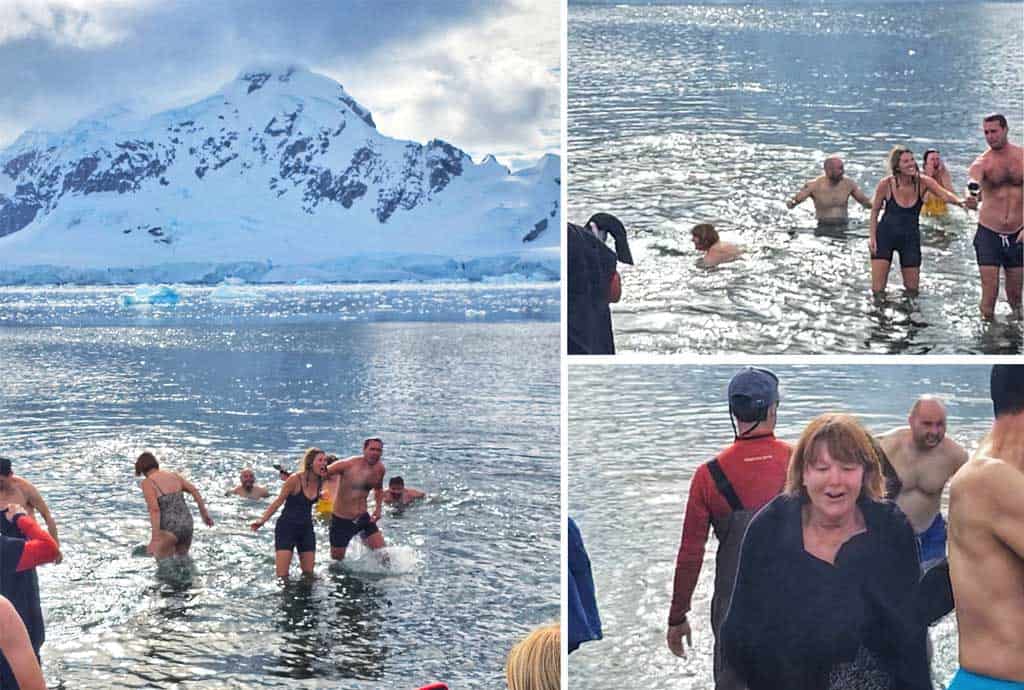
Will You Brave The Polar Plunge?
Gerry always knew he wouldn’t. I always knew I would. I imagined jumping off the ship though and not walking in from a beach; but I was doing it regardless!
If you’re tempted, I’d recommend bringing:
What We Would Leave At Home
Overall, I think we got our packing pretty much spot on. That said, there were a few things we really didn’t need.
Frequently Asked Questions On Antarctica Packing
1. Do I need to buy my own boots?
No. Almost every Antarctica cruise ship provides IAATO-approved waterproof boots for landings. They’re too heavy to pack, expensive and need specific disinfection, so using the ship’s boots is easier and better for the environment. Just remember to bring your thick socks and allow for them when choosing your boot size!
2. Is a smartphone camera enough for Antarctica?
While the Samsung S24 (and similar high-end phones) takes incredible landscape shots, you may regret not having a dedicated camera with an optical zoom for wildlife. Penguins and whales can be fast and the smartphone zoom does lose that crisp detail. If you have a proper camera at home then I’d say take it!
3. Is it Easy To Hire an expedition jacket and trousers for Antarctica?
Yes. These can be hired in Ushuaia, and many cruises or Antarctica travel agents will loan or provide expedition outerwear. Ours were available when we arrived and returned when we left the ship.
Always check what your operator includes before spending your money.
4. What should I wear on landings in Antarctica?
As for the entire cruise, think layers: merino base layers, a breathable mid-layer if you need it, then expedition outerwear on top. You’ll be surprised how quickly you warm up when moving and how fast you cool down when you stop to watch wildlife.
5. Do I really need sunscreen in Antarctica?
Yes! Even on cloudy days. Glare off snow and water is intense and the Antarctic sun is surprisingly strong. It catches people out (Gerry included!), so SPF 50 is a sensible baseline.
6. How many socks should I pack?
More than you think. I layered socks for warmth (and to avoid blisters) and rinsed and dried them in the cabin using our travel washing line. And don’t forget the lambswool insole; it made a huge difference.
7. Can I wear jeans on an Antarctica cruise?
I struggled with this. I wanted to bring jeggings because I find them comfortable, but while I missed them later during onward travel, I still wouldn’t recommend them for the cruise.
Of course, the answer is yes, you can wear them onboard the cruise. But jeans can be heavy, bulky and difficult to dry and for this reason, they’re not a practical addition to your packing list.
8. Is there laundry on the ship?
Most ships offer a laundry service, ours included, but it can be expensive. We used a simple travel washing line in our cabin to rinse out merino socks and underwear.
Because merino dries quickly and doesn’t hold odours, we found we didn’t need to do much laundry during our 10-day cruise. And don’t forget that for around four of those days, you’re on the Drake Passage, not in Antarctica.
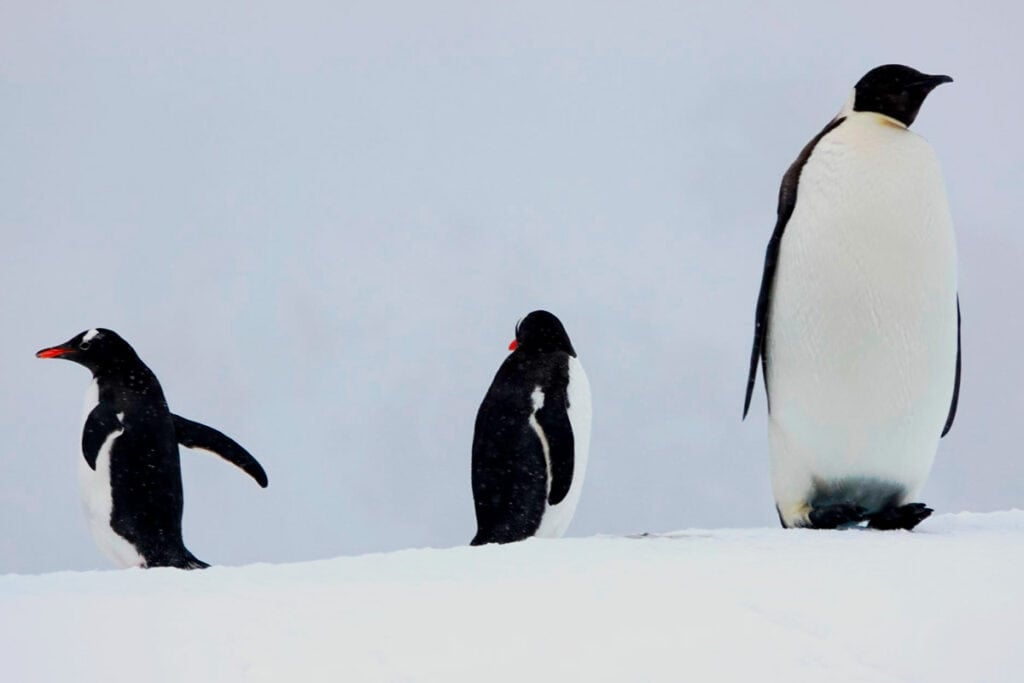
What’s On You Packing List for Antarctica?
What we learned more than anything is that layers are king and you really don’t need to spend a fortune on specialist gear. And try not to read too many packing lists either; they can be more confusing than helpful (although not this one, of course).
I know most people don’t travel with an eight-kilo carry-on like we do, but even with checked luggage, you really don’t need to bring too much. Keep things simple. Merino will be a blessing, and take more socks than you think you’ll need. In the end, we trusted our instincts and there was very little we’d change.
An Antarctica cruise is the trip of a lifetime, and of course, it’s not inexpensive. It’s easy to convince yourself that you’ll also need lots of expensive technical gear, but you don’t. Comfort is key. Staying warm and dry is key.
If you can do that, you can relax and let the magic of Antarctica unfold.
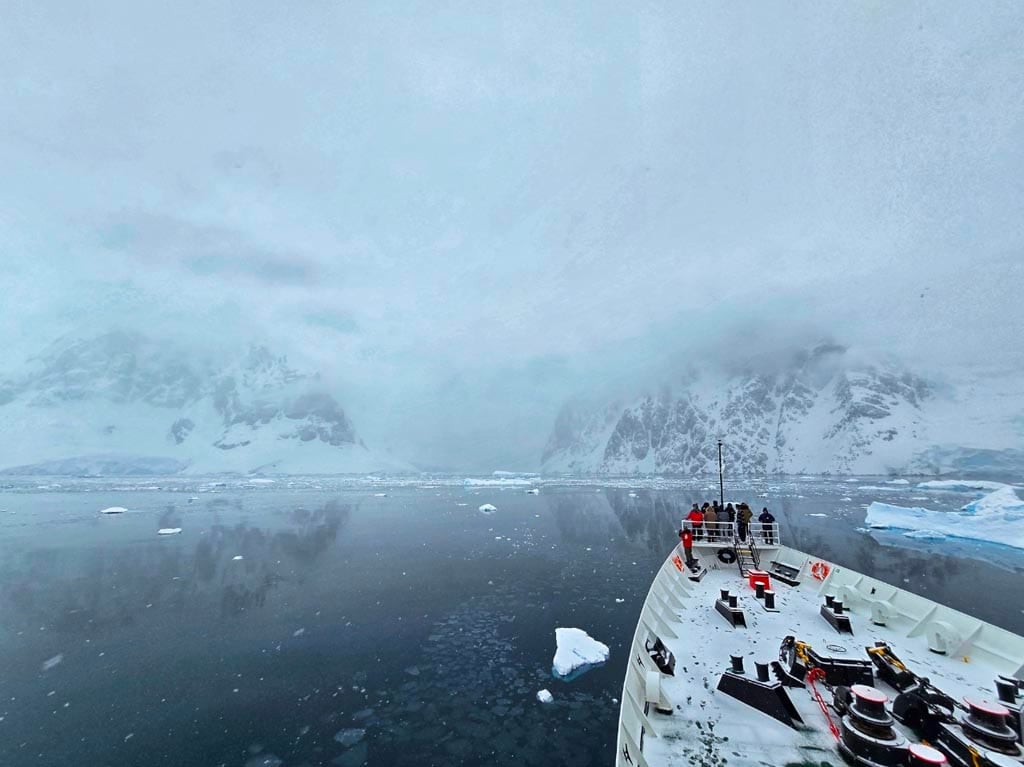
Would You Like More About Antarctica?
If you’d like to read more from this journey, I have other posts about our incredible 10 day journey to Antarctica and beyond of our journey through South America.
Don’t Forget Travel Insurance
Whenever you travel, you should have great travel and medical insurance. None of us expect anything bad to happen, but in the event of an incident, you want to be sure that your insurance will cover you.
I’ve ended up in hospital in Peru, Indonesia, Portugal, Japan and Ireland. Every time my insurance took care of everything. I would never leave home without full and comprehensive insurance.
MondialCare : Due to increasing limitations, mainly due to age, we have recently switched to MondialCare for our travel insurance. We have taken an annual policy at a very reasonable cost that includes medical and other travel cover. There are no trip length limits and the upper age for cover is 84. For Camino walkers and travel in Europe they have a low cost Schengen policy with no age limit.
TrueTraveller : We have used this policy and were very happy with the cover, especially considering our ages and pre-existing conditions.
Globelink: We have used and recommended Globelink for years and not heard of any issues. They are a great choice for European and UK Residents.
Genki : This is an EU based company offering long term policies for nomads and travellers. Their monthly rates are very competitive for longer trips too.
Try Our Trip Planning Tools
Start here to find the best accommodation
Start here to find flights for your adventure
Start here to find the best sightseeing tours

Hey I’m Colleen. I’m married to Gerry, we’ve three fabulous kids and been living in France for almost two decades. I fell in love with Spain in the 1980s and I’ve walked 1000s of miles along the Camino de Santiago. Now we’re exploring and walking the world and I can’t wait to share what we’ve learned!