
Home > Destinations > South America > Peru > Is Arequipa Worth Visiting
Is Arequipa Worth Visiting & How Many Days Should You Stay?
Some of my links may be affiliate links. If you make a purchase, I might earn a small commission at no cost to you. See our Privacy Policy for details. And this post was crafted with care and occasional typos by Colleen (and not AI)
Like many travellers, we hadn’t heard about Arequipa before planning our journey from Lima to La Paz. It was a stop on the Peru Hop route and we wondered if it might be a good place to pause for a few days.
We didn’t know if Arequipa was worth visiting or if our four nights would be too long. But after a little research, we learned that this is Peru’s second-largest city, famous for its white volcanic stone, elegant colonial buildings, and vibrant café and food culture — all under the shadow of a snow-topped volcano!
If you’re travelling through Peru and wondering how many days to stay in Arequipa, read on — we’ll share what we loved, what we didn’t, and how to make the very most of your time in this beautiful city.

Why Should You Visit Arequipa?
If you’re asking yourself if Arequipa is worth a visit, then for us at least, the answer is a resounding yes. It’s one of Peru’s most beautiful cities, offering a blend of history, scenery, and local pride that’s unique to this region. And whilst we loved both Lima and Cusco, Arequipa had its own charm — and we’re glad we didn’t miss it.
Arequipa at a Glance
Arequipa is known as La Ciudad Blanca — The White City — for its many buildings carved from the pale local volcanic stone. The result is a city that feels both European in style and yet deeply Andean too.
Founded by the Spanish in 1540 on the site of an older Inca settlement, Arequipa has long been fiercely independent — even campaigning at times for autonomy from the rest of Peru. The people of Arequipa, known as Arequipeños, have their own accent, their own cuisine, and a powerful sense of local identity that you’ll feel everywhere.

What Makes Arequipa Special
There’s so much to love here — from the white stone of the grand colonial buildings to the elegant arches of the main square, to the shaded courtyards and ever-present volcanoes that frame the skyline. El Misti, in particular, seems to watch over the city like a benevolent guardian and every time I looked up I couldn’t help thinking Wow!
Arequipa is one of those places that quietly wins you over. The atmosphere here feels different from anywhere else in Peru. For us, it was the perfect pause — big enough to be interesting, yet calm enough to catch our breath.
Interestingly, a chap on our bus bemoaned the city traffic as we were leaving and said how much he disliked the city — but he’d stayed only a few hours before jumping straight back on the bus. We could have stayed a week or more — slowly exploring, or simply finding a corner in our favourite café and doing very little at all.
How Many Days in Arequipa Are Enough?
I know I should probably give a definitive answer here – after all, I’m a travel blogger answering your questions! But the truth is, how many days in Arequipa really depends on your travel style, how much time you have to spare, and what you want from your visit.
The short answer would be :
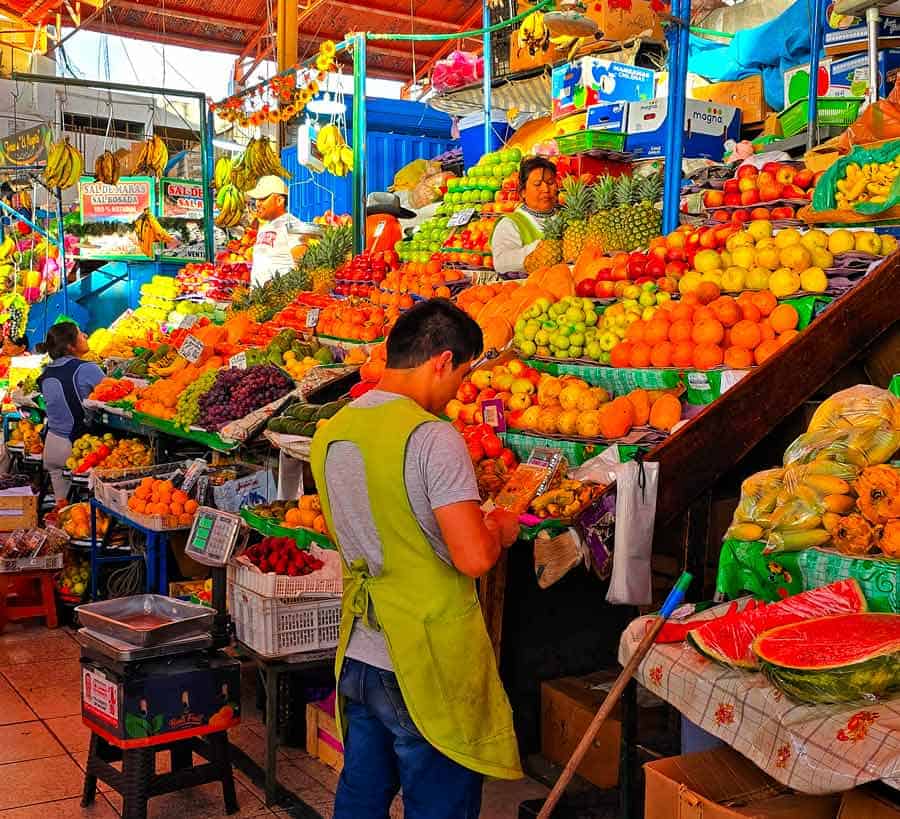
If you’re short on time, you can absolutely see the highlights in one full day – indeed, many folks on our bus spent just 24 hours in the city. You can explore the Plaza de Armas, visit the Santa Catalina Monastery, enjoy a rooftop pisco sour, and soak up the views of Misti volcano — it’s a wonderful taster of Peru’s White City.
If you can, two days is ideal. It gives you time to explore in more detail and without the need to rush. You can linger in cafés, visit a museum, and join a walking tour or cooking (chocolate making!) class. And enjoy one or two great meals before moving on.
We had three full days in the city could easily have stayed longer — although the King of Spain rather disrupted our plans on day one! He arrived for a conference the same day as us, and the historic centre was almost in lockdown with armed police, closed roads, and a few of the attractions off-limits. But it meant we had to linger in a few cafes so we coped!
And don’t forget the fabulous day trips. Arequipa makes a great base for visiting the incredible Colca Canyon, the Ruta del Sillar, or the Laguna de Salinas. If you’re thinking of taking one or two of these, add an extra day or two (although we have a few thoughts on the one-day Colca Canyon tour).
A Few Favourite Things to Do in Arequipa
When I started writing this list, I realised I was writing a book! So if you’d like a more detailed look, check out our post on our 15 favourite things to do in Arequipa. But for now, here’s a quick list of things you really should include in your itinerary.
1. Santa Catalina Monastery
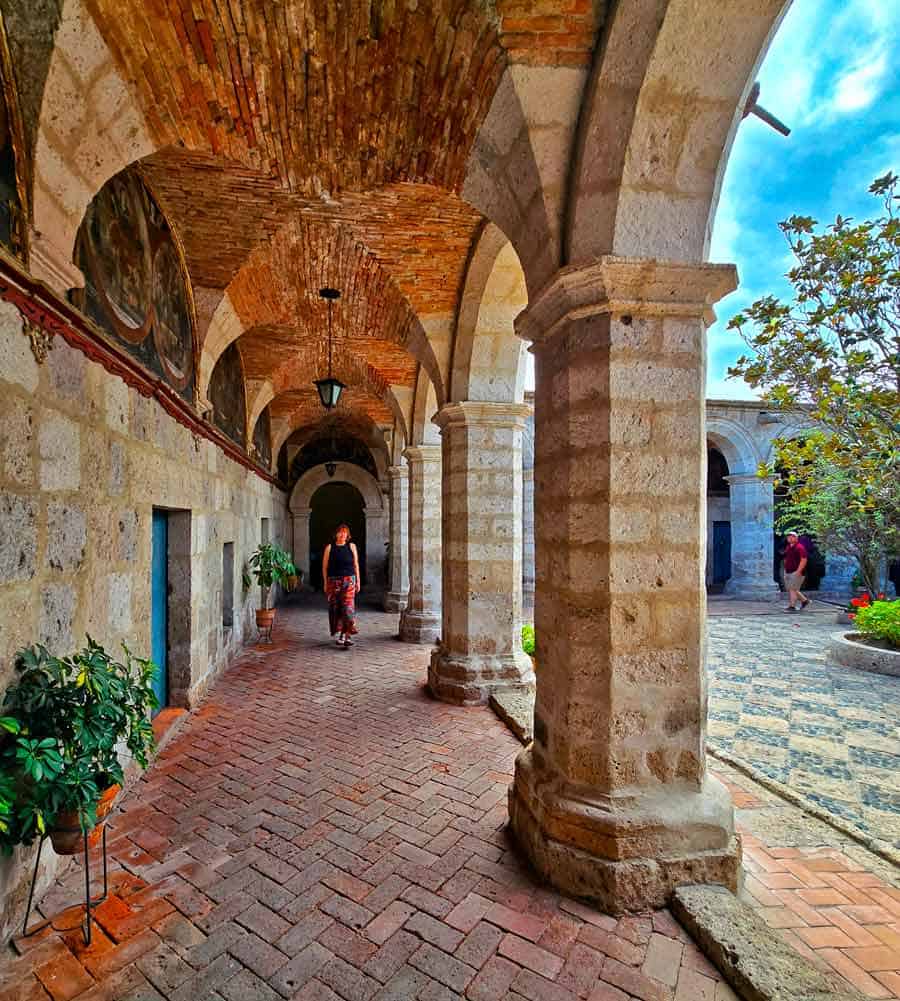
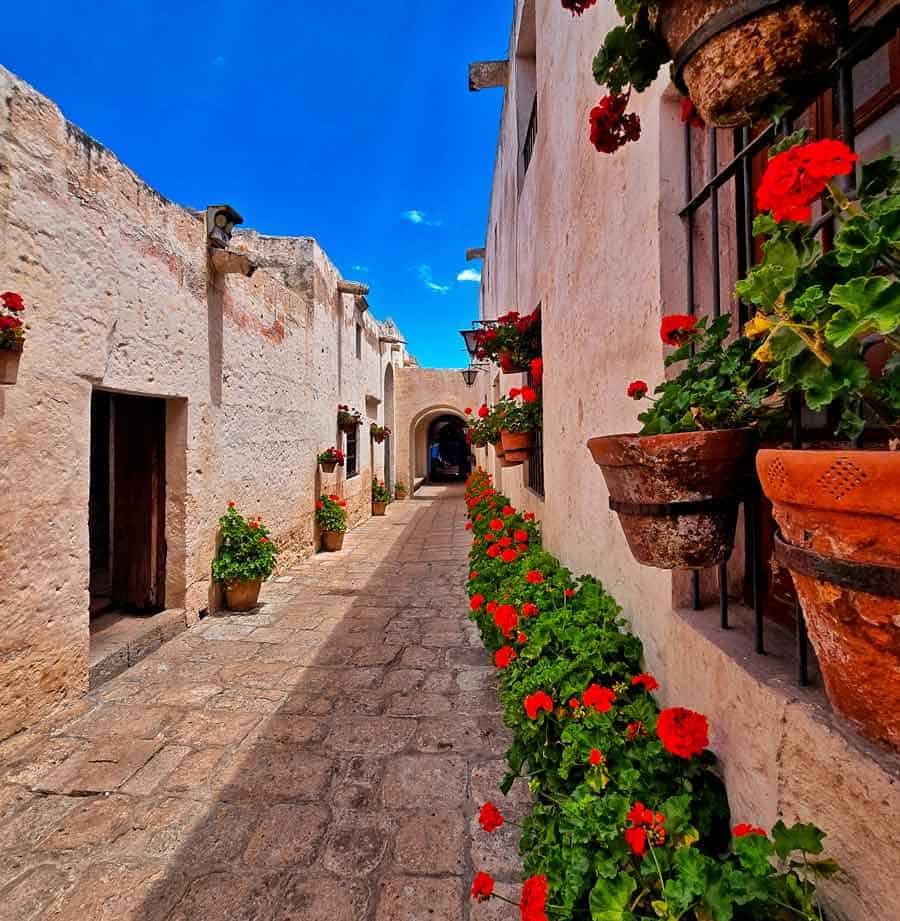
The Santa Catalina Monastery is a walled city of vivid reds and blues, quiet cloisters, and shady courtyards. Go earlier in the day or if you can, go to one of the special evening openings.
2. Plaza de Armas & Cathedral (rooftop view)
The plaza is beautiful by day, and even lovelier when the lights come on. There’s a strict dress code for Arequipa Cathedral (shoulders and knees covered), but the rooftop tour offers fantastic views over the city and volcanoes.
3. Mirador de Yanahuara
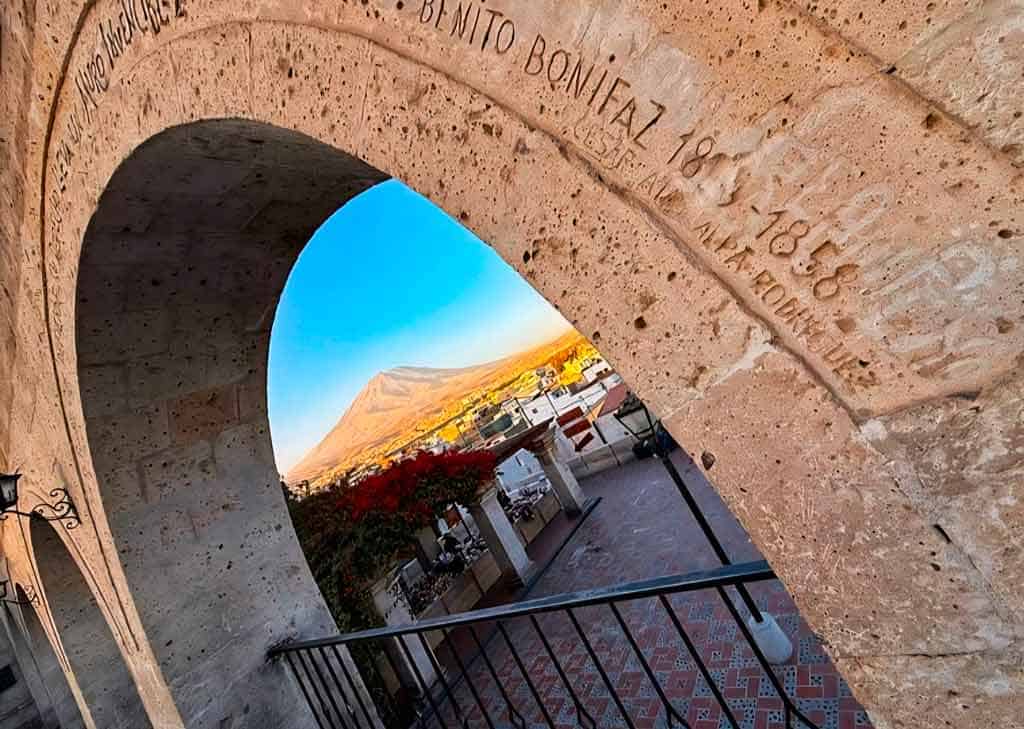
The iconic postcard view of Arequipa — framed arches with El Misti volcano rising behind. It’s a fair walk from the centre, so you might prefer to hop in an Uber.
4. Mercado San Camilo
We love a local market, and San Camilo feels truly authentic. Try helado de queso at Doña Rosa and pick up good value snacks, nuts, and dried fruit for the bus. It’s open all day so you can visit both morning and afternoon.
5. Chaqchao Chocolate
Stop by for a rich dark hot chocolate — or join one of their chocolate-making workshops if you’ve time. It’s heaven for dark chocolate lovers (like me!).
6. Mundo Alpaca
Mundo Alpaca is fun and slightly quirky stop where you can feed the alpacas and learn to tell the difference between alpaca, llama, and vicuña. It’s a gentle stroll from the centre and worth including on your route. You don’t need a tour guide – just turn up and enjoy your visitl.
Top Tip : We’ve written a full guide to Arequipa’s sights and experiences, with even more details, tips, and photos — Our 15 Favourite Things to DO in Arequipa
If you have more time, don’t forget that there are some fantastic day trips from Arequipa — including the breathtaking Colca Canyon, the Ruta de Sillar, nearby salt flats, and even hikes close to El Misti Volcano.

Getting to Arequipa
We travelled with Peru Hop, and while we weren’t huge fans of their tour recommendations, we did absolutely love how easy and convenient it was to get around Peru (and later into Bolivia). The guides are excellent and their help and local knowledge makes the long travel days easier.
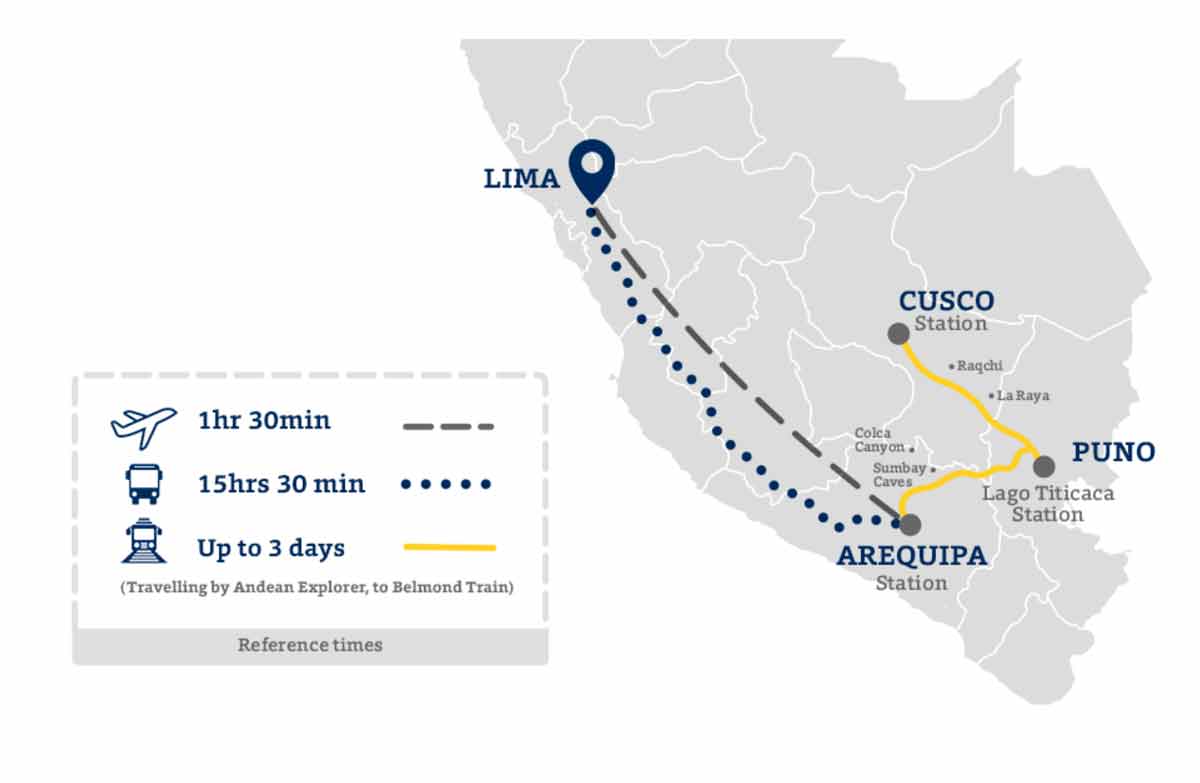
Take a look at Peru Hop if you’re planning a bus journey across Peru! Whilst we travelled from Lima to La Paz you can choose shorter routes. And if you’re travelling independently, Arequipa is well connected by bus, plane, and even a very posh train.
How to Get Around the City
Once you’re in the historic centre, you can easily explore on foot. The main sights — including the Plaza de Armas, Santa Catalina Monastery, and the cathedral — are all within walking distance of each other.
If you’re heading further out, such as to Mundo Alpaca, Yanahuara, or the Mirador de Carmen Alto, a short taxi or Uber ride is inexpensive. We’re happy walking several kilometres a day but don’t forget you’re at altitude so you might prefer to take it easy.
Typical fares:
Top Tip : Taxis aren’t metered, so always agree on the fare before you get in. We’ve had a few bad experiences with taxis and these days we prefer to use Uber and Cabify. Both work well in Arequipa.

Where to Stay in Arequipa
We chose to stay in the historic centre. It means you can walk to almost everything — cafés, rooftop bars, the Plaza de Armas, and the Monastery — though it can come with a little nightlife noise if your room happens to be near a busy street. But for us it was absolutely worth it for the convenience.
If you prefer something quieter, Yanahuara is a quieter residential area. It’s only a five-minute taxi ride from the centre and has a few good hotels and cafés. For a more local feel, Vallecito sits just south of the centre and is popular with longer-stay travellers.
There is something for everyone in Arequipa and you don’t need to break the bank to find great accommodation. There are plenty of hostels offering bunks but also lots of mid-range comfort hotels that offer all you need.
Where to Eat in Arequipa
Arequipa is known as a culinary destination so you really need to make the most of that when you visit! There’s a lot of choice from hearty traditional lunches in old-fashioned picanterías to more than a few great dining options and we LOVED the cafe culture!
Here’s where we liked to eat — from breakfast through to a night cap!
Breakfast & Brunch
Lunch
Lunch is traditionally the biggest meal of the day in Arequipa, and if you want to eat like a local, head for a picantería.
If you prefer to stay in the city centre, these are great alternatives:

Dinner
There is much choice! A Light dinner? A Burger or a Pizza or something more special? You’ll find it all in Arequipa. There are a good selection Vegetarian options and whilst there were not so many dedicated gluten free restaurants, those we visited were gluten aware.
Drinks & Evening Views
We love a rooftop view and whilst Pisco Sour is not my favourite… when in Rome?!
And If You Only Have One Day in Arequipa…
If you only have a day to eat your way through Arequipa, then we would say:

Frequently Asked Questions about Arequipa
1. Is Arequipa Safe for Travellers?
Yes, Arequipa is generally safe, and we felt comfortable walking around the historic centre both by day and evening. We did have to deal with the King of Spain’s visit and due to the change in President there were some demonstrations and a heavy police prescence. But even so, we never felt unsafe or uncomfortable.
Like any city, it’s also best to use common sense — stay aware of your surroundings, especially in busy areas such as the Plaza de Armas or the markets.
We did read and we’re warned about pickpockets working in groups, so do keep a close eye on your belongings. We never experienced any issues – nor did any of our travelling companions. But as always – better safe than sorry!
Top Tip : If you are travelling anywhere and there are loud demonstrations, I’d recommend you do as we did and wander off in the opposite direction. Whilst all the protests we saw remained peaceful you can never be too sure!
2. What Is the Elevation of Arequipa and Will I Feel Altitude Sickness?
Arequipa sits at 2,335 metres (7,660 ft) — high enough to notice if you’ve just arrived from sea level, but still far below Cusco or Lake Titicaca. Many travellers find it the perfect place to acclimatise gradually before heading higher.
You might feel a little breathless at first, but it usually passes within a day. Drink plenty of water, avoid too much alcohol, and take it easy on your first afternoon. Coca tea and slow strolls work wonders!
After our Colca Canyon trip I started to experience Altitude Sickness. And as we moved on to Puno I became very ill and needed to visit a medical centre. Do not take symptoms lightly and if you are feeling ill, light headed or short of breath then do seek help.
Top Tip : the doctor in the hospital told me that as I take Levothyroxine (I don’t have a thyroid) then I should avoid drinking Coco Tea. It interacts with thyroid medicine and in my case, after a week I ended up a little hypo – which further exacerbated my altitude sickness.
3. Is Arequipa Better Than Cusco?
We loved both but they did feel very different.
Cusco is more famous — it’s the gateway to Machu Picchu, and most folks travelling to the Inca Trail will visit Cusco first. We did and we enjoyed our time in the city.
Arequipa is less well known and also has its own special charm. It felt less touristy – it felt as though there was still a strong local community and of course the strong Areaquipan identity is very strong here.
I don’t believe that either is better but they are different. If you love history and mountain views but prefer fewer crowds, you might actually prefer Arequipa. And it certainly for us, felt like the kind of place where you could linger a-while.
4. What Food is Arequipa Famous For?
Arequipa is known for it’s delicious, regional cuisine, and its traditional dishes are bold, spicy, and full of flavour.
5. Is there a best time to visit Arequipa?
Arequipa enjoys sunshine for around 300 days a year, so there’s really no bad time to visit. That said, some seasons are better suited to different kinds of travel.
The dry season runs from April to November, and it’s the most popular time to visit. Days are clear and bright — perfect for sightseeing, walking tours, and day trips to Colca Canyon or the salt flats. Nights can be chilly, especially in June and July, so a jumper or light jacket is essential.
The wet season is from December to March, bringing short afternoon showers and occasional cloudy days. The upside is that the countryside turns beautifully green, and you’ll find fewer tourists.
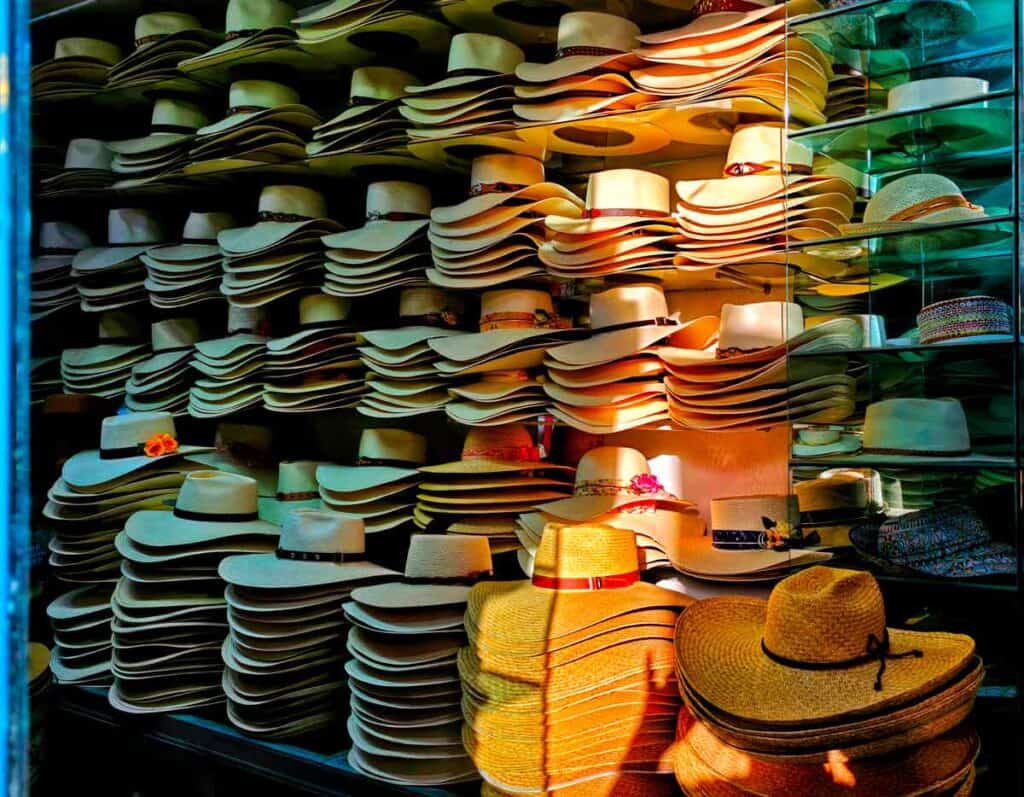
For most travellers, May to October is the sweet spot — cool, dry, and perfect for exploring both the city and the surrounding landscapes. Whenever you go, Arequipa’s high-altitude sun can be fierce, so pack sunscreen, a hat, and sunglasses — even in winter!
6. Are There Any Major Festivals Worth Seeing in Arequipa?
Absolutely — the city bursts into colour and celebration through the year – Here are a few standout festivals worth considering:
7. Is Arequipa Worth Visiting Even If I’m Short on Time?
Absolutely. Even with one full day, you can explore the highlights — the Plaza de Armas, Santa Catalina Monastery, The market and still have time for a rooftop drink at sunset.
If you can stretch to two days, you’ll have time for a walking tour, a few museums, and maybe get to make your own chocolates! We stayed three days plus Colca Canyon and could easily have stayed longer.

So Is Arequipa Worth Visiting & How Many Days Should You Stay?
I started this post intending to answer two simple questions, but I’ve ended up writing a novel! The truth is — yes, Arequipa is absolutely worth visiting and if you have the time, allow at least two days, but more if you can spare it.
There’s plenty to see and do, but the more we travel, the more we realise we prefer to linger. We like to find our own local café and drop in for a coffee each day, or a little tienda where the lady behind the counter starts to recognise us after a few visits. And we love discovering a neighbourhood bar or café for a glass of wine at the end of the day.
We found we could do all of that in Arequipa. If you’re like us — the sort of traveller who likes to settle in and let a city get under your skin — you could easily spend a week or more
And a Few Final Tips for Visiting Arequipa
Are You Travelling Through Peru?
We spent three months exploring South America and this was our second visit to Peru. Arequipa was one of the highlights of this Peru journey and if you’re planning your own adventure, here are a few more guides you might enjoy:
Don’t Forget Travel Insurance
Whenever you travel, you should have great travel and medical insurance. None of us expect anything bad to happen, but in the event of an incident, you want to be sure that your insurance will cover you.
I’ve ended up in hospital in Peru, Indonesia, Portugal, Japan and Ireland. Every time my insurance took care of everything. I would never leave home without full and comprehensive insurance.
MondialCare : Due to increasing limitations, mainly due to age, we have recently switched to MondialCare for our travel insurance. We have taken an annual policy at a very reasonable cost that includes medical and other travel cover. There are no trip length limits and the upper age for cover is 84. For Camino walkers and travel in Europe they have a low cost Schengen policy with no age limit.
TrueTraveller : We have used this policy and were very happy with the cover, especially considering our ages and pre-existing conditions.
Globelink: We have used and recommended Globelink for years and not heard of any issues. They are a great choice for European and UK Residents.
Genki : This is an EU based company offering long term policies for nomads and travellers. Their monthly rates are very competitive for longer trips too.
Try Our Trip Planning Tools
Start here to find the best accommodation
Start here to find flights for your adventure
Start here to find the best sightseeing tours

Hey I’m Colleen. I’m married to Gerry, we’ve three fabulous kids and been living in France for almost two decades. I fell in love with Spain in the 1980s and I’ve walked 1000s of miles along the Camino de Santiago. Now we’re exploring and walking the world and I can’t wait to share what we’ve learned!